FOOD ARTE














-
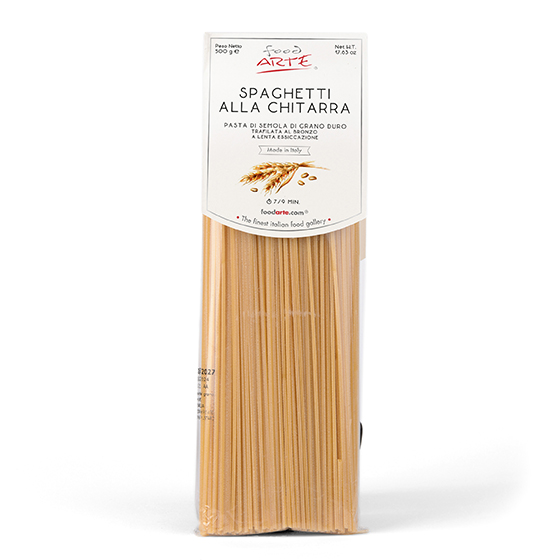
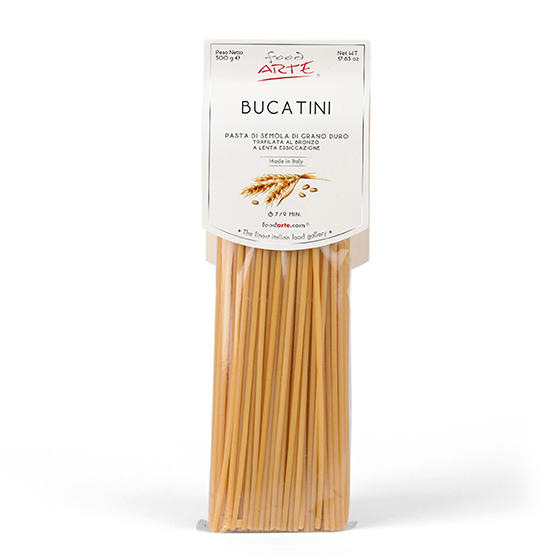
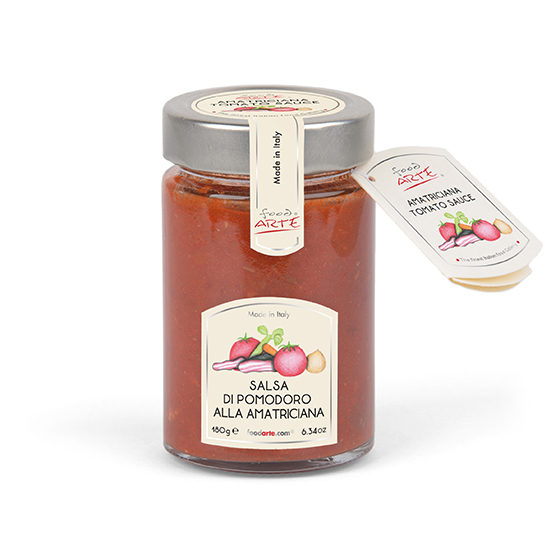
 This sauce, starting out from the Lazio countryside then became one of the most typical Roman dishes. The simplicity of the ingredients and the great taste of the sauce makes every time you eat the Amatriciana sauce a special event. Peeled tomatoes, a typical bacon-like cured meat made with pork’s cheek (Guanciale), carrot, celery, onions, extra virgin oil, salt. This sauce is ideal for a wide range of opportunities; Perfect with short pasta (penne e ziti rigati), and also suggested with rough surfaced long pasta (spaghetti, bucatini).
 -
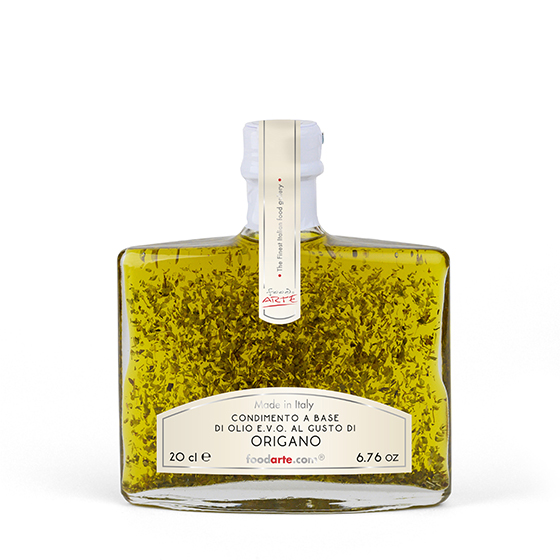
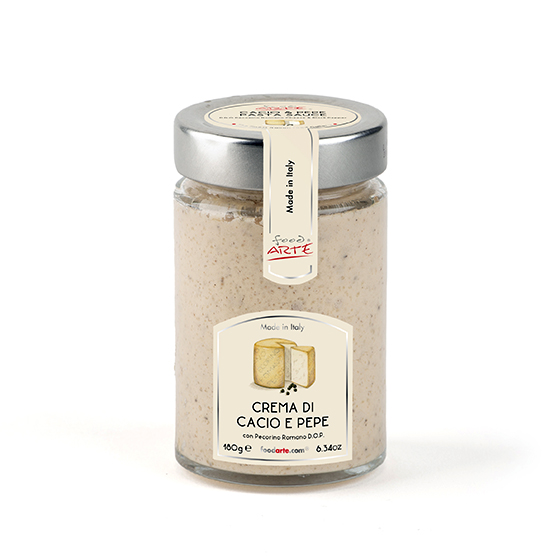
 Salt, mixed peppercorns (black, white, green, and pink pepper), juniper, rosemary, garlic.
 -
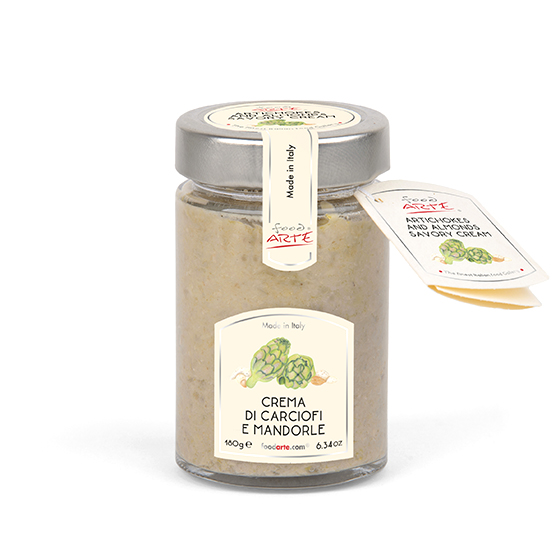
 The main ingredient of this savory cream is tender delicate artichoke. The artichoke (Cynara cardunculus) is a very interesting vegetable because of its decisive taste which, combined with almonds, gives this cream an extraordinary taste. It’s an excellent dressing for meat Tortelli (filled fresh pasta) with fresh cream or as a complement to hors d’oeuvres.
 -
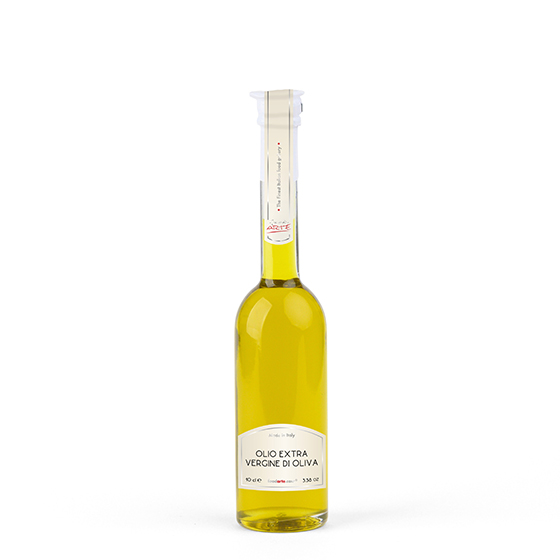
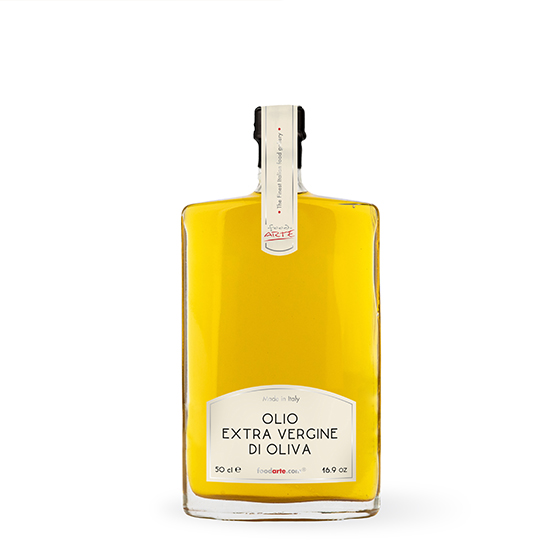
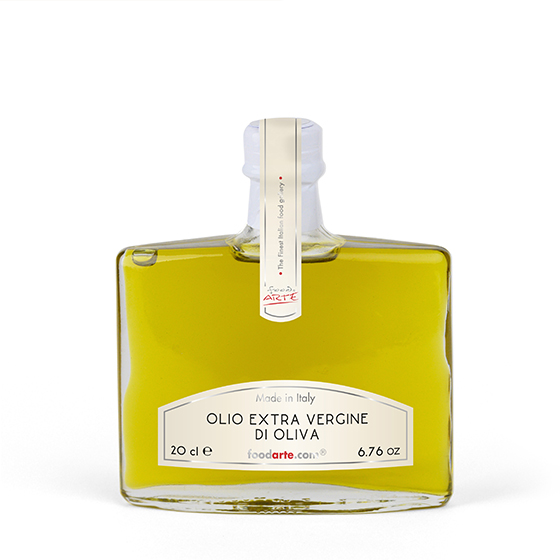
 Extra Virgin Olive oil (EVO oil in recipes) has been in the Mediterranean and Italian culture for thousands of years and it is the main difference in culinary tradition between the Mediterranean and the North European diet. The olive is a fruit with a very long history, dating back to 5000/3000 years BC: it is a pulpy oily fruit that tends to green or to Purple/black once it has ripened. Only when they are perfectly ripe, olives are then pressed making sure the temperature of the paste doesn’t rise too much, in order to obtain a high quality extra virgin olive oil.
 -
 Extra Virgin Olive oil (EVO oil in recipes) has been in the Mediterranean and Italian culture for thousands of years and it is the main difference in culinary tradition between the Mediterranean and the North European diet. The olive is a fruit with a very long history, dating back to 5000/3000 years BC: it is a pulpy oily fruit that tends to green or to Purple/black once it has ripened. Only when they are perfectly ripe, olives are then pressed making sure the temperature of the paste doesn’t rise too much, in order to obtain a high quality extra virgin olive oil.
 -
 Extra Virgin Olive oil (EVO oil in recipes) has been in the Mediterranean and Italian culture for thousands of years and it is the main difference in culinary tradition between the Mediterranean and the North European diet. The olive is a fruit with a very long history, dating back to 5000/3000 years BC: it is a pulpy oily fruit that tends to green or to Purple/black once it has ripened. Only when they are perfectly ripe, olives are then pressed making sure the temperature of the paste doesn’t rise too much, in order to obtain a high quality extra virgin olive oil.
 -
 Extra Virgin Olive oil (EVO oil in recipes) has been in the Mediterranean and Italian culture for thousands of years and it is the main difference in culinary tradition between the Mediterranean and the North European diet. The olive is a fruit with a very long history, dating back to 5000/3000 years BC: it is a pulpy oily fruit that tends to green or to Purple/black once it has ripened. Only when they are perfectly ripe, olives are then pressed making sure the temperature of the paste doesn’t rise too much, in order to obtain a high quality extra virgin olive oil.
 -
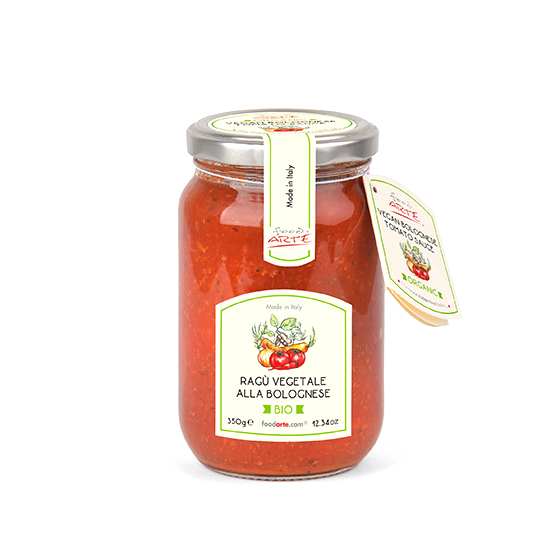
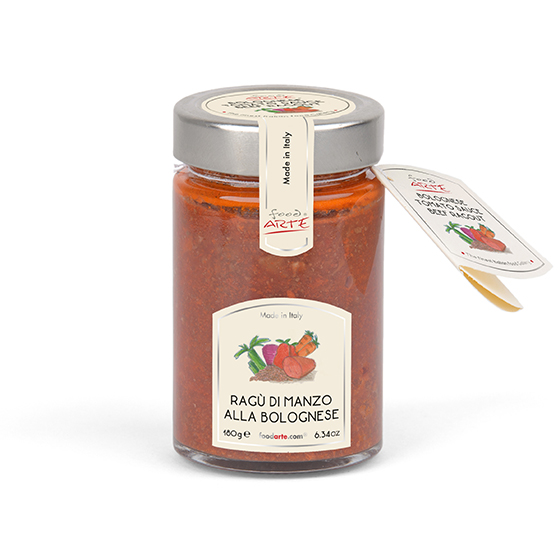
 The Bologna originated beef ragout has violently conquered the taste of Italians and foreigners. Prepared by our grandmothers it is an unmistakable recipe. Peeled tomatoes, carrot, celery, onions, extra virgin oil, salt and white wine make this ragout extremely tasty; perfect with short pasta (penne or ziti rigati), also very nice with rough surface long pasta (Fettuccine, tagliatelle).
 -
 When the Greeks founded Naples in VIII Century BC, they adopted a dish prepared by the natives, a sort of pasta made with barley-flour and water and dried in the sun which they called “macaria” very close to what today is called “maccheroni”. There are references to pasta in Roman times starting in the III century b.C.; following this, in Cicerone’s works dating to the 1st Century b.C. we find him writing about his passion for “laganas” that were sheets of pasta made with wheat flour and water, very similar to what today we call “lasagna”.
 -
 Extra Virgin Olive oil (EVO oil in recipes) has been in the Mediterranean and Italian culture for thousands of years and it is the main difference in culinary tradition between the Mediterranean and the North European diet. The olive is a fruit with a very long history, dating back to 5000/3000 years BC: it is a pulpy oily fruit that tends to green or to Purple/black once it has ripened. Only when they are perfectly ripe, olives are then pressed making sure the temperature of the paste doesn’t rise too much, in order to obtain a high quality extra virgin olive oil.