FOOD ARTE















-
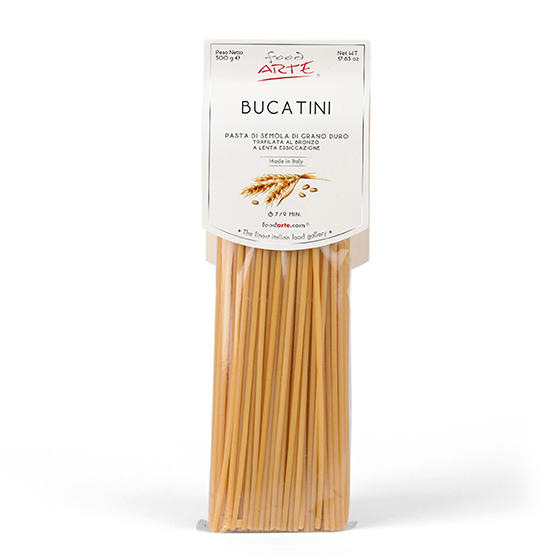
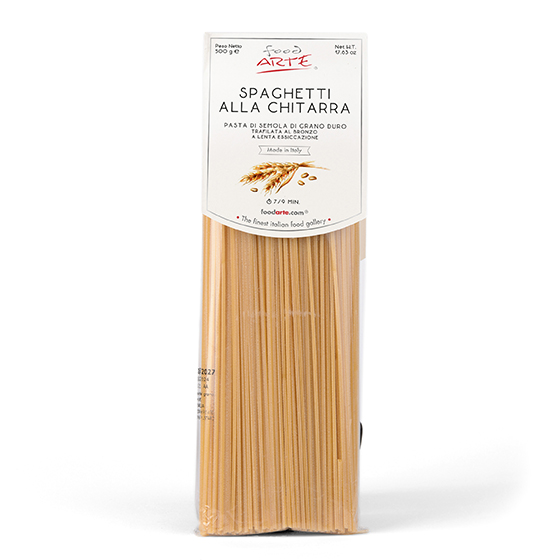
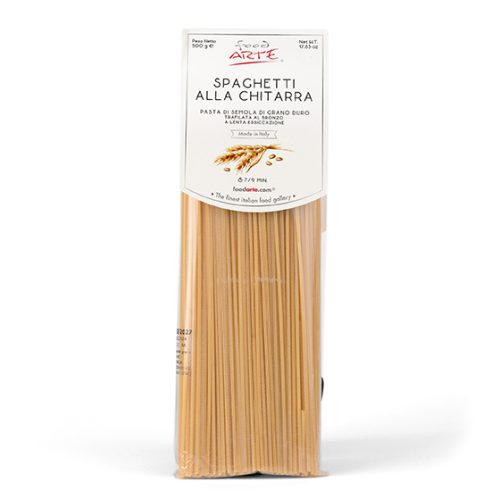 When the Greeks founded Naples in VIII Century BC, they adopted a dish prepared by the natives, a sort of pasta made with barley-flour and water and dried in the sun which they called “macaria” very close to what today is called “maccheroni”. There are references to pasta in Roman times starting in the III century b.C.; following this, in Cicerone’s works dating to the 1st Century b.C. we find him writing about his passion for “laganas” that were sheets of pasta made with wheat flour and water, very similar to what today we call “lasagna”.
 -
 When the Greeks founded Naples in VIII Century BC, they adopted a dish prepared by the natives, a sort of pasta made with barley-flour and water and dried in the sun which they called “macaria” very close to what today is called “maccheroni”. There are references to pasta in Roman times starting in the III century b.C.; following this, in Cicerone’s works dating to the 1st Century b.C. we find him writing about his passion for “laganas” that were sheets of pasta made with wheat flour and water, very similar to what today we call “lasagna”.
 -
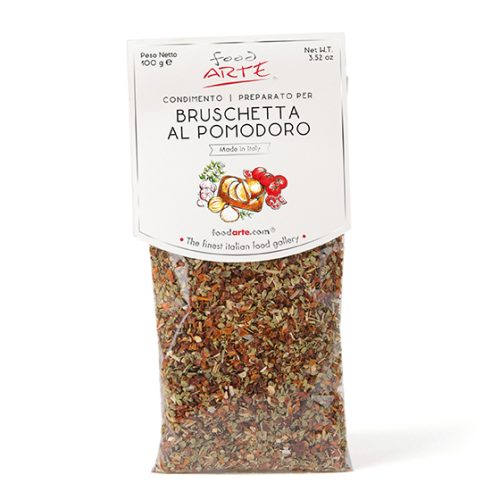
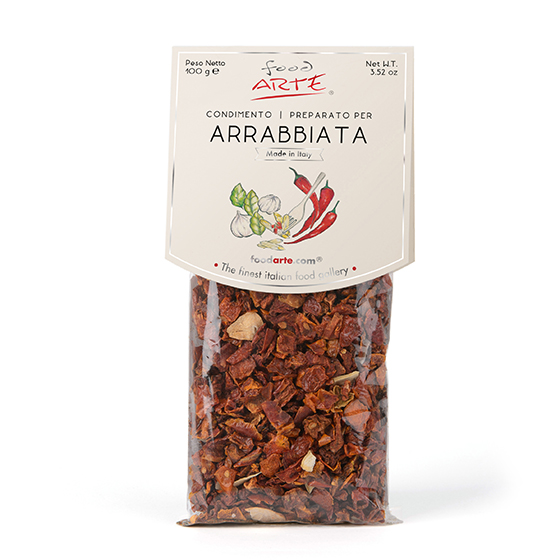
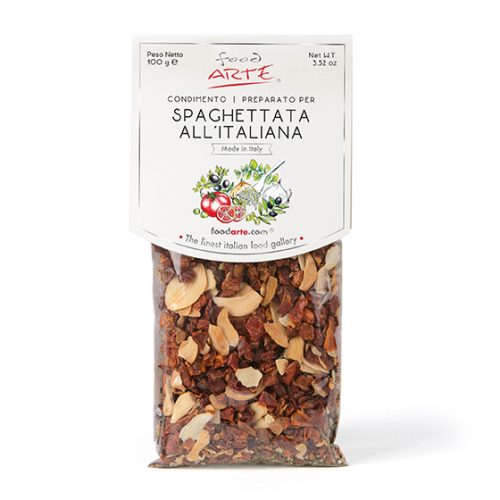 Put two Teaspoons of this blend in a cooking pot and fry it lightly in E.V.O. just for a Couple of minutes. Drain the Pasta and melt them together in the Pan for a few minutes. Serve it hot adding, if you like, some nutmeg powder or Parmigiano Cheese.
 -
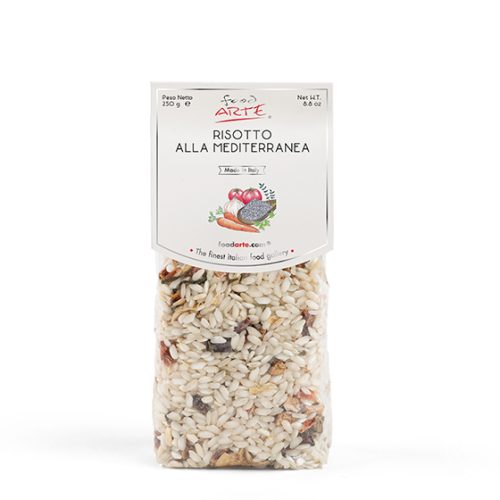
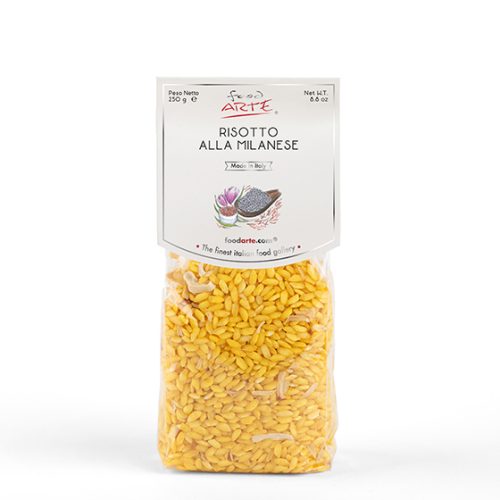
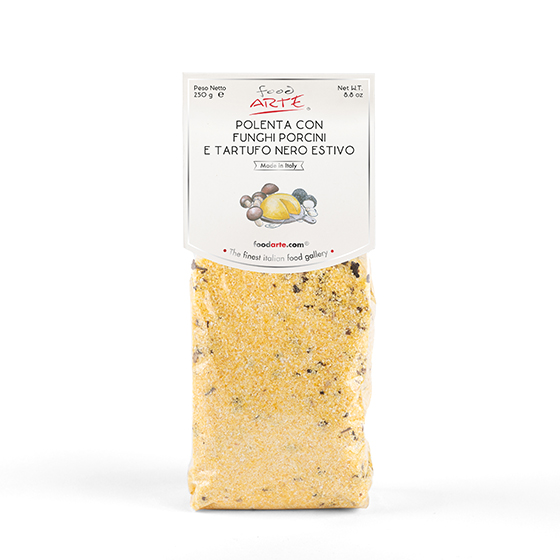
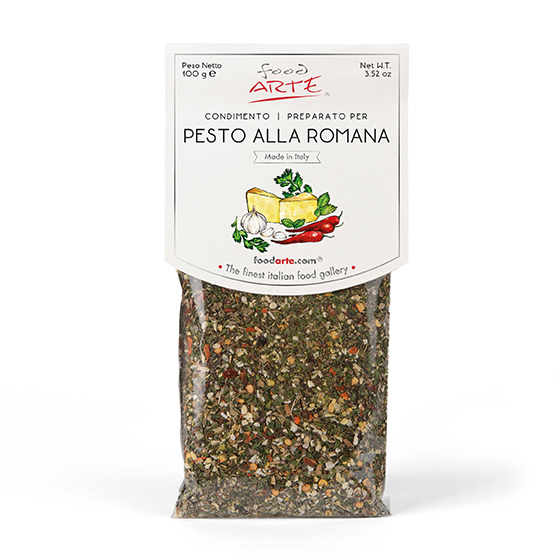
 Cook 50 g. of this preparation for about 15 minutes adding two tea spoons of E.V.O. Cook the Pasta, drain it keeping it well humid. Put the preparation adding Butter as you like. melt them together in the Pan for a few minutes. Serve it hot.
 -
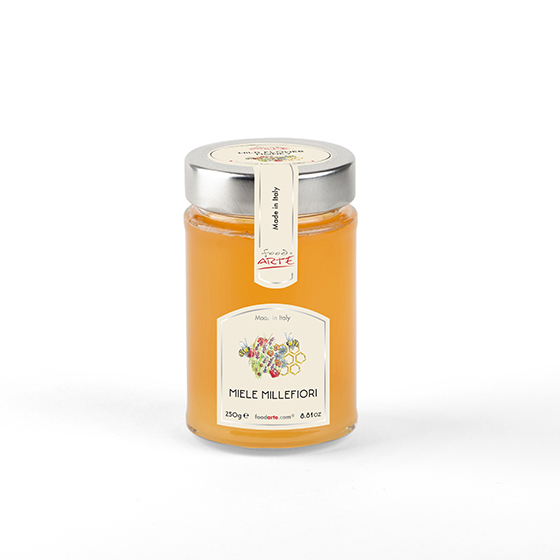
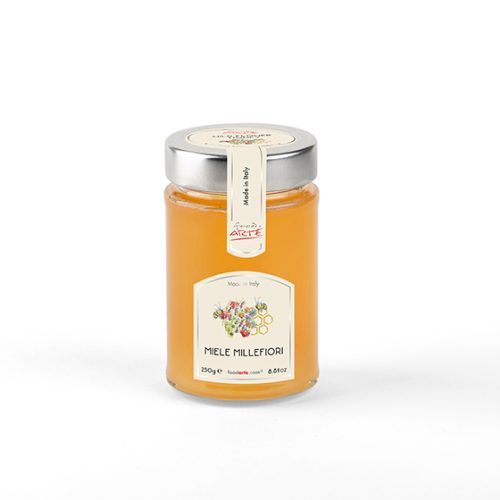 The Italian word for honey is “miele” and it originates from the Latin word melit (sweet). For ages honey was the only concentrated sweet available food. The first traces of human built bee hives go back to VI century B.C. For thousands of years’ honey was the main sweetener used by humanity. Different types of honeys are produced by placing the beehives in close vicinity to special trees such as the Acacia, the Chestnut, the Cherry, the Orange, thus obtaining different shades of color and taste according to the blossom the bees have come in contact with. Then there is the wild flower honey, that bees produce by visiting different plants and trees.
 -
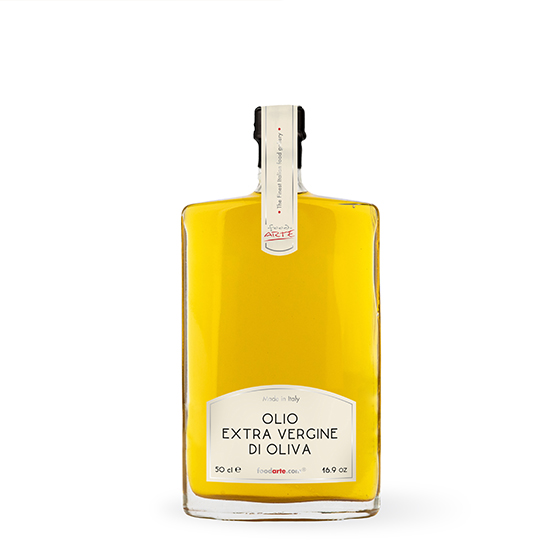
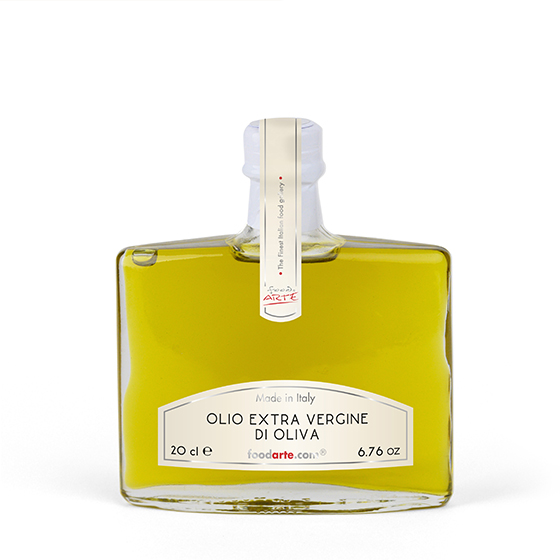
 Extra Virgin Olive oil (EVO oil in recipes) has been in the Mediterranean and Italian culture for thousands of years and it is the main difference in culinary tradition between the Mediterranean and the North European diet. The olive is a fruit with a very long history, dating back to 5000/3000 years BC: it is a pulpy oily fruit that tends to green or to Purple/black once it has ripened. Only when they are perfectly ripe, olives are then pressed making sure the temperature of the paste doesn’t rise too much, in order to obtain a high quality extra virgin olive oil.
 -
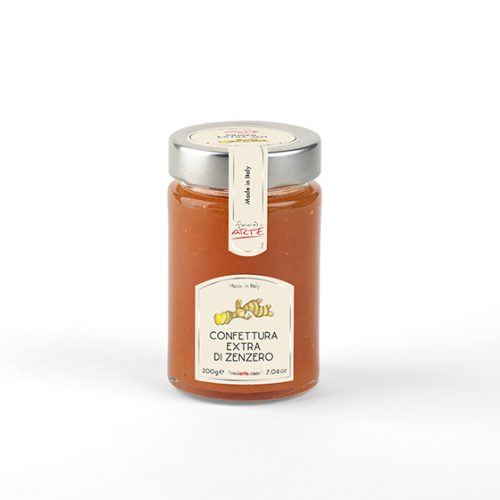 This “spicy sweetness” is born from ginger, an edible root that has become famous throughout the world for its highly aromatic properties and multiple therapeutic properties. With a very strong and pungent flavour, it is excellent for counterbalancing the sweetness of cakes and pastries. It goes well with soft or medium-mature cheeses.
 -
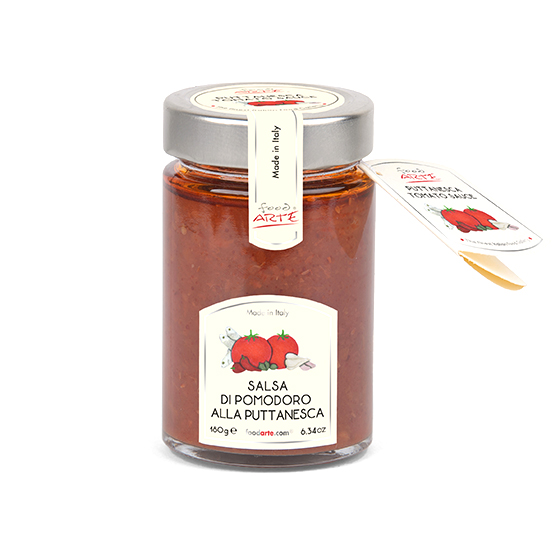
 Puttanesca sauce is a Neapolitan pasta recipe that picks up the most typical flavours of the South of Italy. Tomato sauce, extra virgin olive oil, garlic, black olives, anchovies, capers and oregano create one of the most flavourful sauces in the Italian cooking tradition.
 -
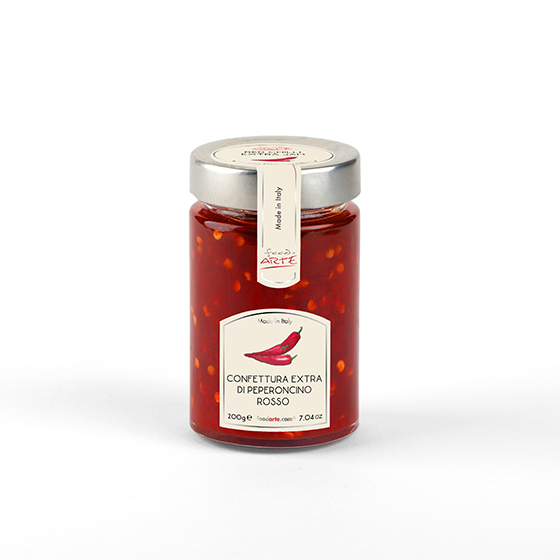
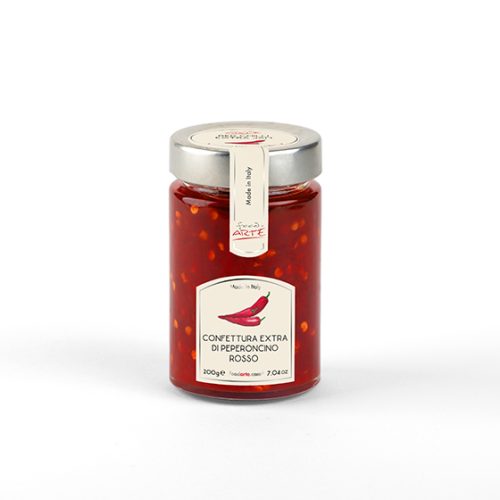 From the Caribbean red chili and the Jamaican hot chili peppers, this surprising confection is born, with a distinctive flavor: sweet-spicy. Hand-picked, the chili peppers are then worked adding exclusively natural products: sugar, honey, apple, and lemon.
 -
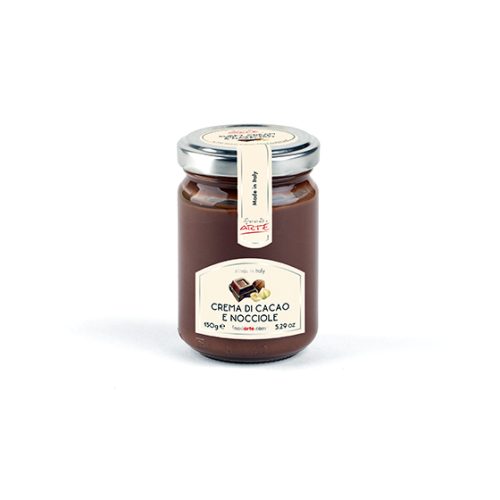 In Ancient Rome it was customary to give hazelnut plants as gifts to wish happiness. In France they were given to spouses as a symbol of fertility. Hazelnuts, in fact, are an extremely valuable fruit and with their flavor they manage to enhance many culinary creations, especially in pastry making. This cream is excellent on toasted bread or as an accompaniment to dark chocolate.
 -
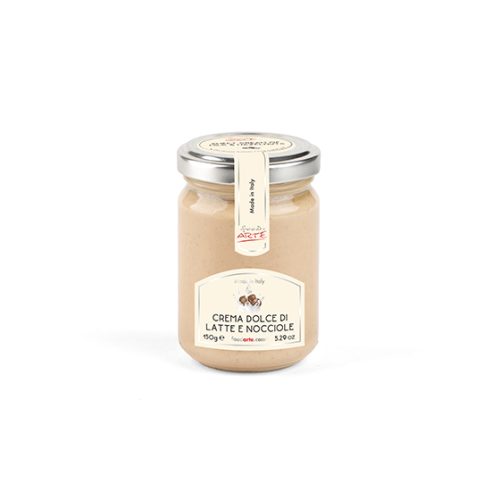 Italian hazelnuts and milk, this is the winning combination to create a sweet spread with a delicate flavour; excellent for filling or garnishing desserts and ice creams, simply “perfect” on its own, on the spoon.
 -
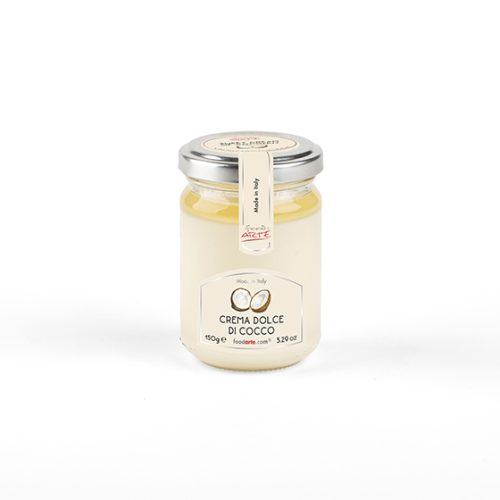 From the tropical heart of this wonderful fruit comes this delicious and irresistible sweet spreadable cream. To be used absolutely in any circumstance, sweet or savory.
 -
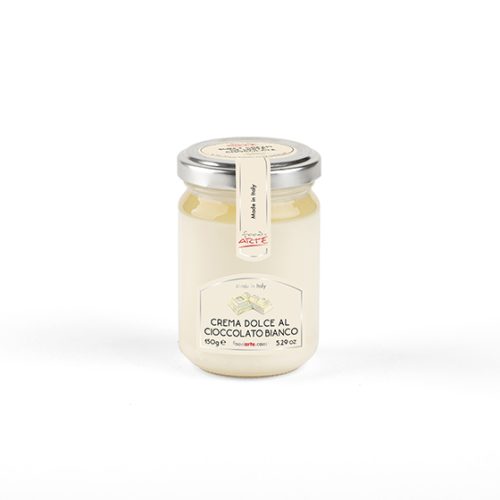 Cocoa butter, the fatty part of the cocoa bean, is the main ingredient that characterizes this gourmet spreadable cream. Dedicated to those who love delving into the folds of the world of chocolate; a precious element in pastry making for garnishing desserts, it represents the perfect ingredient for filling fresh pastry products.
 -
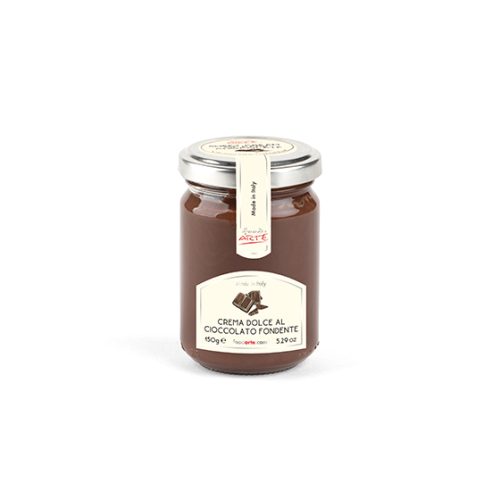 Our dark chocolate cream is produced with first choice ingredients, coming from the best cocoa selections, to represent one of the most well-known Italian products in the world. Excellent for filling or garnishing cakes, ice creams, to combine with fruit. Sublime on its own, on a spoon.
 -
 The Italian word for honey is “miele” and it originates from the Latin word melit (sweet). For ages honey was the only concentrated sweet available food. The first traces of human built bee hives go back to VI century B.C. For thousands of years’ honey was the main sweetener used by humanity. Different types of honeys are produced by placing the beehives in close vicinity to special trees such as the Acacia, the Chestnut, the Cherry, the Orange, thus obtaining different shades of color and taste according to the blossom the bees have come in contact with. Then there is the wild flower honey, that bees produce by visiting different plants and trees.
 -
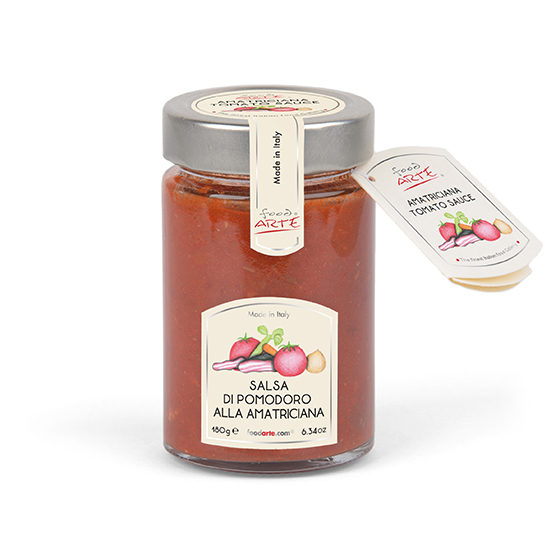
 This sauce, starting out from the Lazio countryside then became one of the most typical Roman dishes. The simplicity of the ingredients and the great taste of the sauce makes every time you eat the Amatriciana sauce a special event. Peeled tomatoes, a typical bacon-like cured meat made with pork’s cheek (Guanciale), carrot, celery, onions, extra virgin oil, salt. This sauce is ideal for a wide range of opportunities; Perfect with short pasta (penne e ziti rigati), and also suggested with rough surfaced long pasta (spaghetti, bucatini).
 -
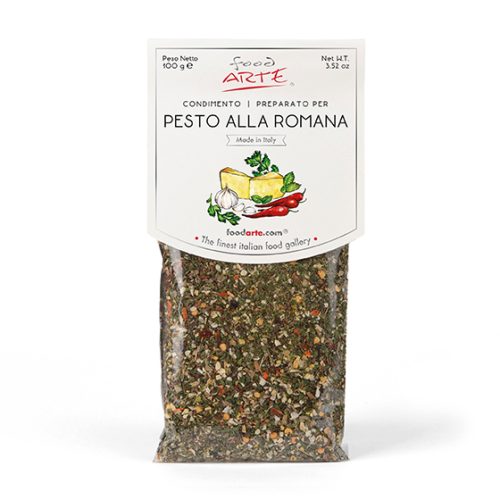
 Put two teaspoons of this blend in a cooking pan and fry it lightly in olive oil just for a couple of minutes.Drain the pasta and melt them together in the cooking pan for a few minutes. Serve adding cooking cream and Parmigiano Cheese.