FOOD ARTE















-
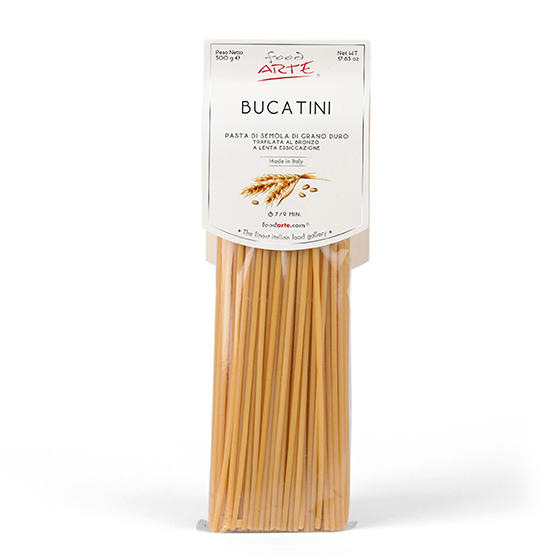
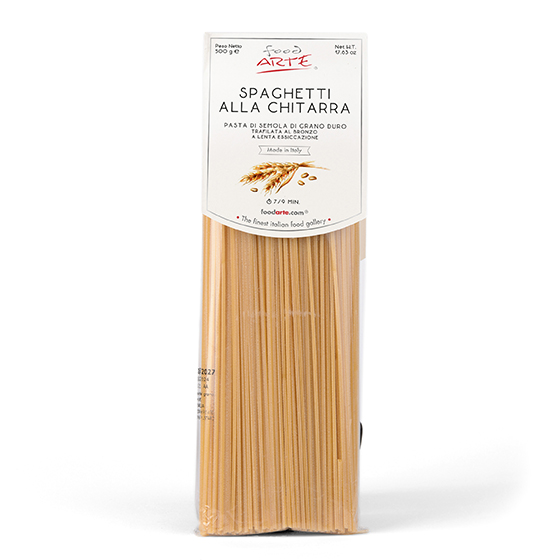
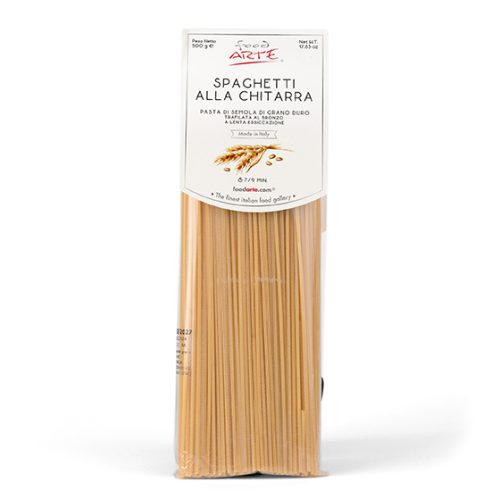 When the Greeks founded Naples in VIII Century BC, they adopted a dish prepared by the natives, a sort of pasta made with barley-flour and water and dried in the sun which they called “macaria” very close to what today is called “maccheroni”. There are references to pasta in Roman times starting in the III century b.C.; following this, in Cicerone’s works dating to the 1st Century b.C. we find him writing about his passion for “laganas” that were sheets of pasta made with wheat flour and water, very similar to what today we call “lasagna”.
 -
 When the Greeks founded Naples in VIII Century BC, they adopted a dish prepared by the natives, a sort of pasta made with barley-flour and water and dried in the sun which they called “macaria” very close to what today is called “maccheroni”. There are references to pasta in Roman times starting in the III century b.C.; following this, in Cicerone’s works dating to the 1st Century b.C. we find him writing about his passion for “laganas” that were sheets of pasta made with wheat flour and water, very similar to what today we call “lasagna”.
 -
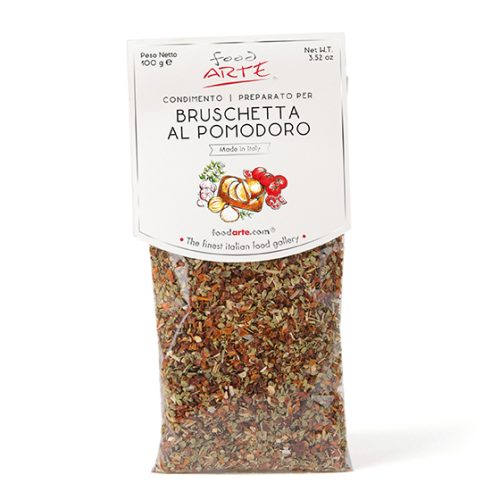
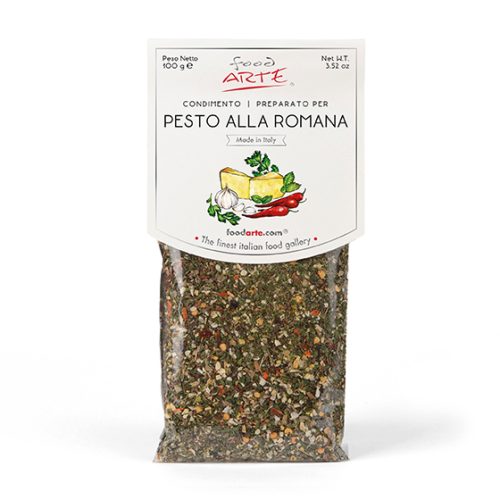
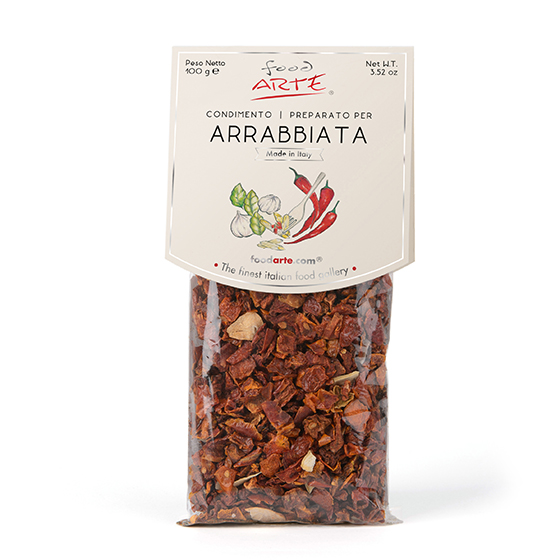
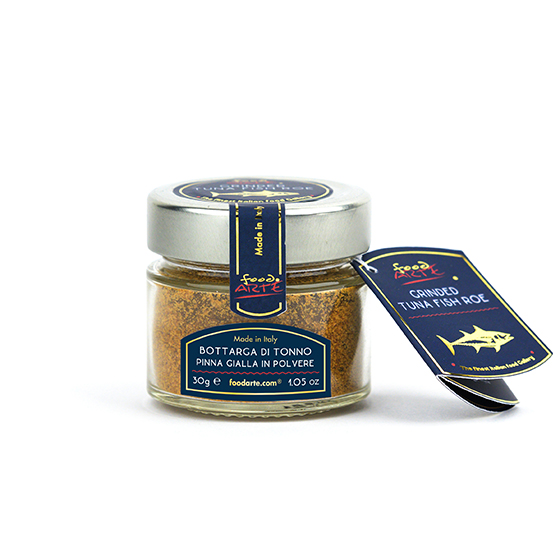
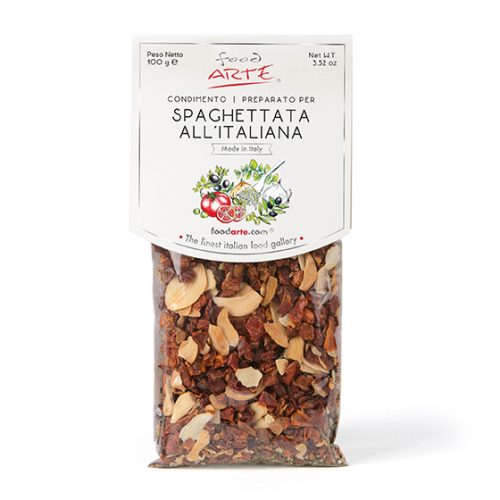 Put two Teaspoons of this blend in a cooking pot and fry it lightly in E.V.O. just for a Couple of minutes. Drain the Pasta and melt them together in the Pan for a few minutes. Serve it hot adding, if you like, some nutmeg powder or Parmigiano Cheese.
 -
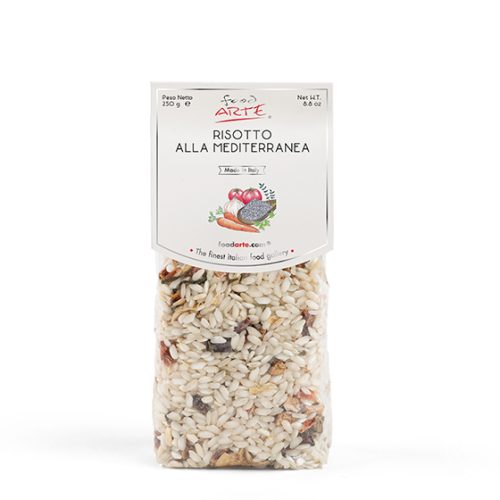
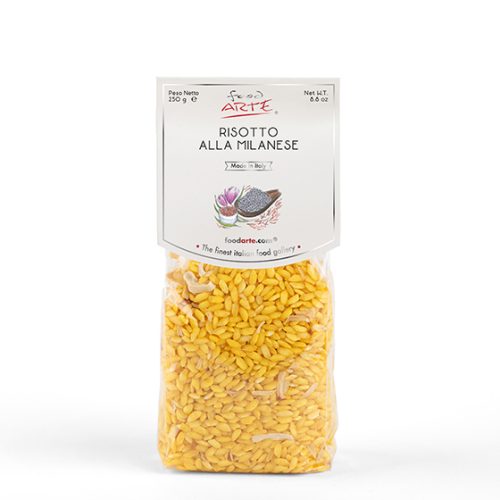
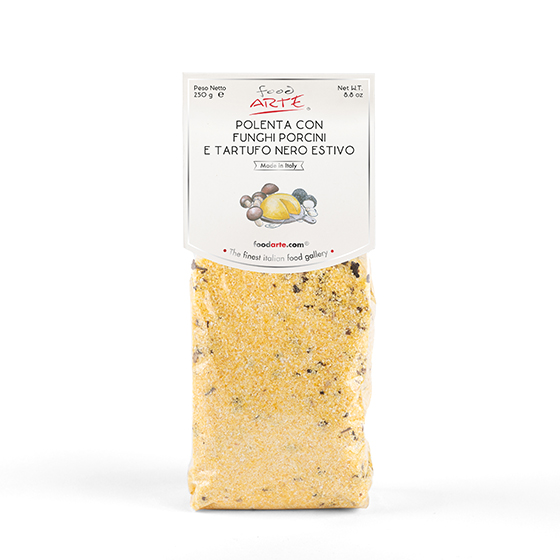
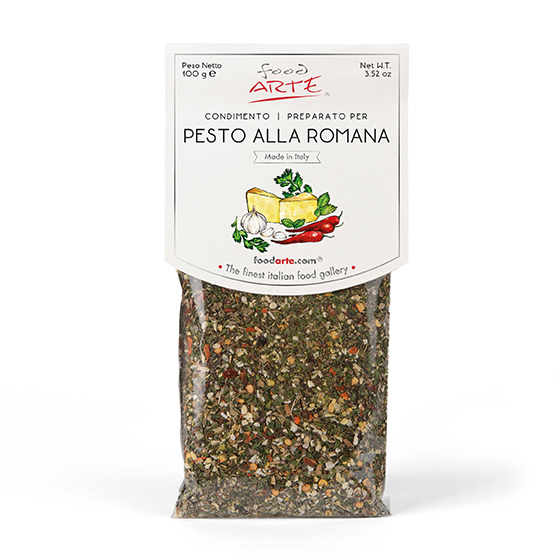
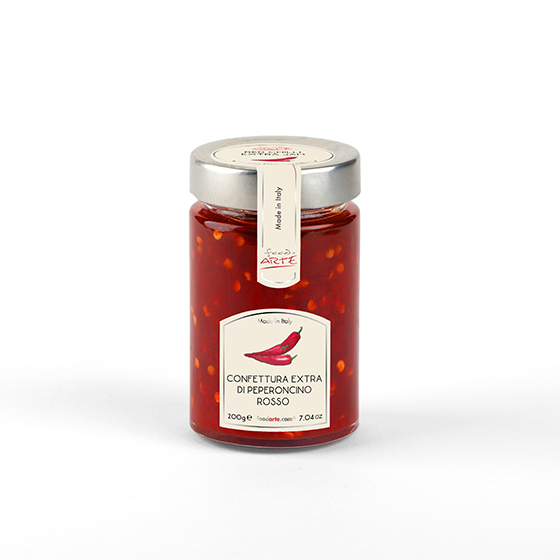
 Cook 50 g. of this preparation for about 15 minutes adding two tea spoons of E.V.O. Cook the Pasta, drain it keeping it well humid. Put the preparation adding Butter as you like. melt them together in the Pan for a few minutes. Serve it hot.
 -
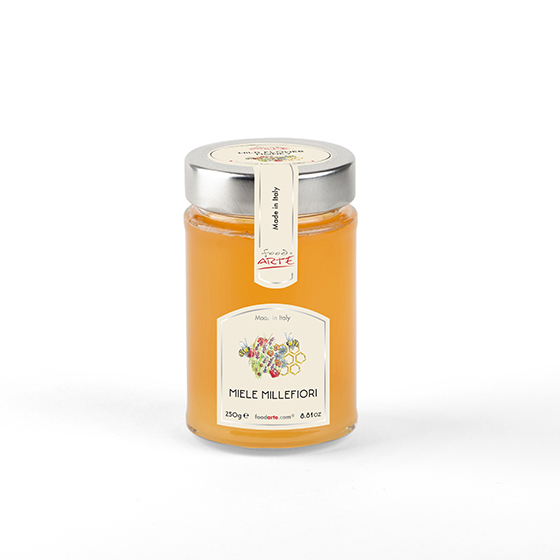
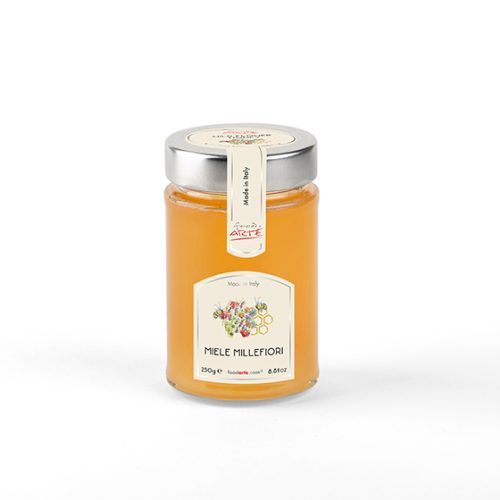 The Italian word for honey is “miele” and it originates from the Latin word melit (sweet). For ages honey was the only concentrated sweet available food. The first traces of human built bee hives go back to VI century B.C. For thousands of years’ honey was the main sweetener used by humanity. Different types of honeys are produced by placing the beehives in close vicinity to special trees such as the Acacia, the Chestnut, the Cherry, the Orange, thus obtaining different shades of color and taste according to the blossom the bees have come in contact with. Then there is the wild flower honey, that bees produce by visiting different plants and trees.
 -
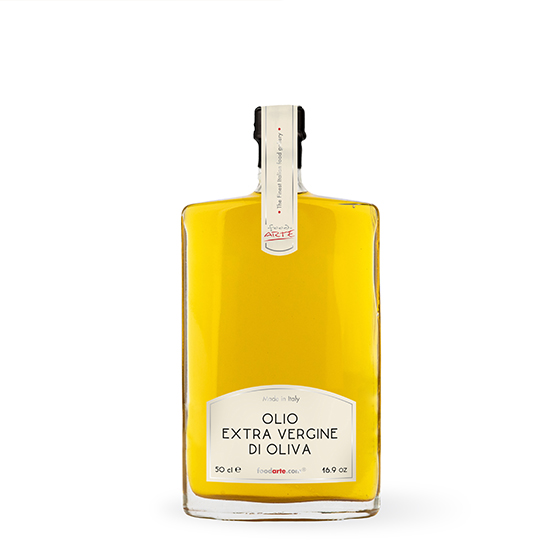
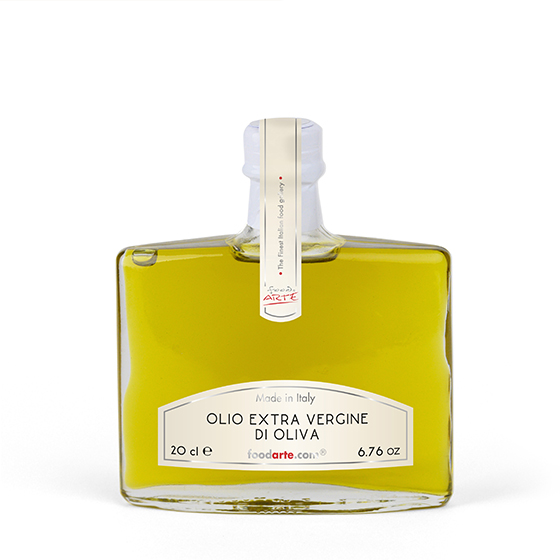
 Extra Virgin Olive oil (EVO oil in recipes) has been in the Mediterranean and Italian culture for thousands of years and it is the main difference in culinary tradition between the Mediterranean and the North European diet. The olive is a fruit with a very long history, dating back to 5000/3000 years BC: it is a pulpy oily fruit that tends to green or to Purple/black once it has ripened. Only when they are perfectly ripe, olives are then pressed making sure the temperature of the paste doesn’t rise too much, in order to obtain a high quality extra virgin olive oil.