FOOD ARTE












-
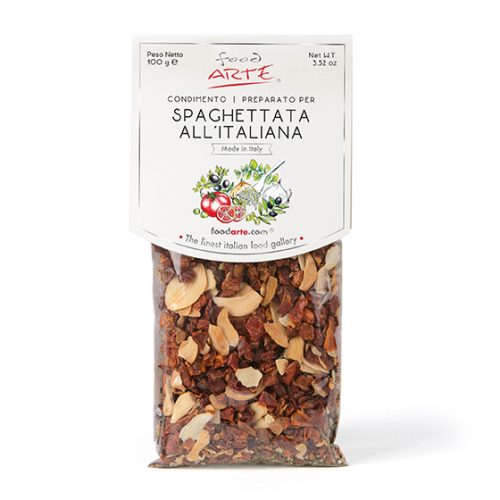 Put two Teaspoons of this blend in a cooking pot and fry it lightly in E.V.O. just for a Couple of minutes. Drain the Pasta and melt them together in the Pan for a few minutes. Serve it hot adding, if you like, some nutmeg powder or Parmigiano Cheese.
 -
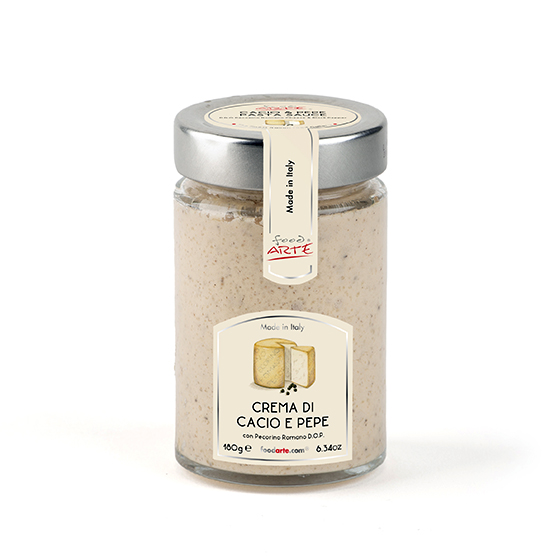
 Put two teaspoons of this blend in a cooking pot and fry it lightly in extra virgin olive oil and cooking cream just for a couple of minutes. Serve it hot adding some nutmeg powder or Parmigiano Cheese.
 -
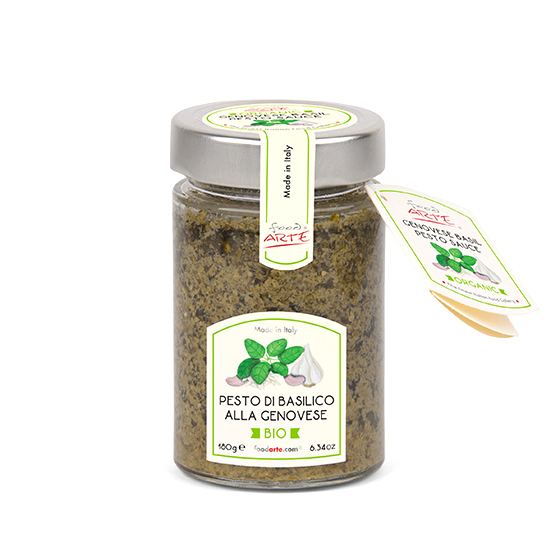
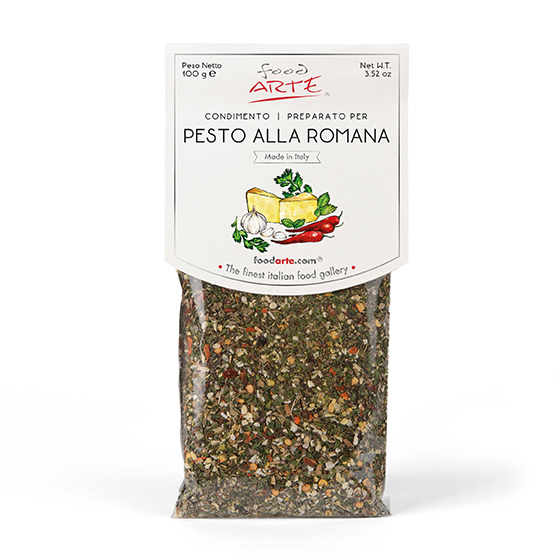
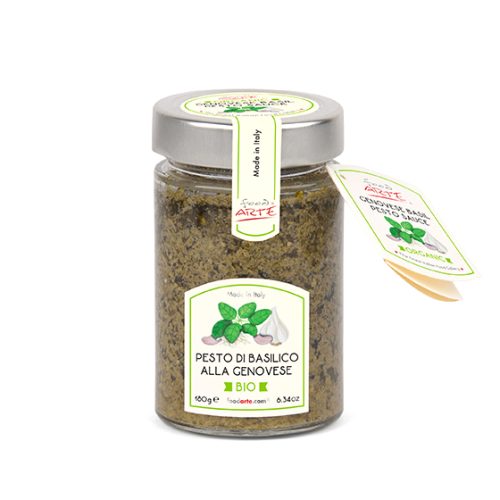 Basil, pine nuts and garlic are finely ground with coarse sea salt with the addition of Parmesan cheese and extra virgin olive oil. A simple recipe, one the most loved dressings of Italian cuisine. Only a few ingredients for an unmistakable taste, a perfect sauce for potato gnocchi, long or short grainy pasta or as an ingredient for minestrone Genoa style.
 -
 When the Greeks founded Naples in VIII Century BC, they adopted a dish prepared by the natives, a sort of pasta made with barley-flour and water and dried in the sun which they called “macaria” very close to what today is called “maccheroni”. There are references to pasta in Roman times starting in the III century b.C.; following this, in Cicerone’s works dating to the 1st Century b.C. we find him writing about his passion for “laganas” that were sheets of pasta made with wheat flour and water, very similar to what today we call “lasagna”.
 -
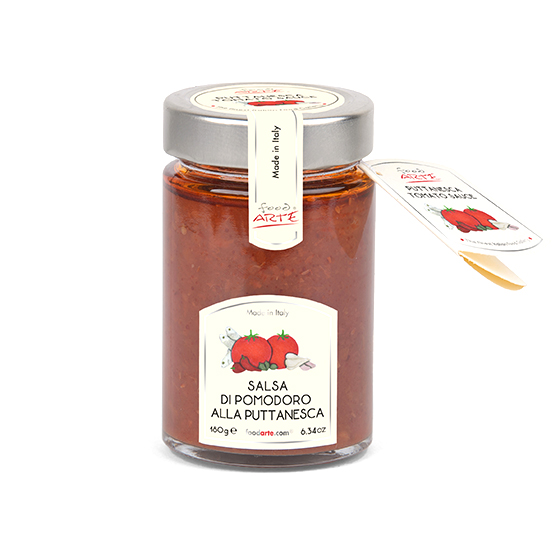
 Puttanesca sauce is a Neapolitan pasta recipe that picks up the most typical flavours of the South of Italy. Tomato sauce, extra virgin olive oil, garlic, black olives, anchovies, capers and oregano create one of the most flavourful sauces in the Italian cooking tradition.
 -
 Cook 50 g. of this preparation for about 15 minutes adding two tea spoons of E.V.O. Cook the Pasta, drain it keeping it well humid. Put the preparation adding Butter as you like. melt them together in the Pan for a few minutes. Serve it hot.
 -
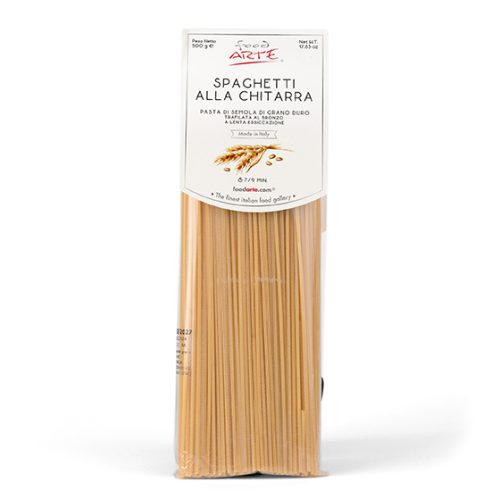 When the Greeks founded Naples in VIII Century BC, they adopted a dish prepared by the natives, a sort of pasta made with barley-flour and water and dried in the sun which they called “macaria” very close to what today is called “maccheroni”. There are references to pasta in Roman times starting in the III century b.C.; following this, in Cicerone’s works dating to the 1st Century b.C. we find him writing about his passion for “laganas” that were sheets of pasta made with wheat flour and water, very similar to what today we call “lasagna”.
 -
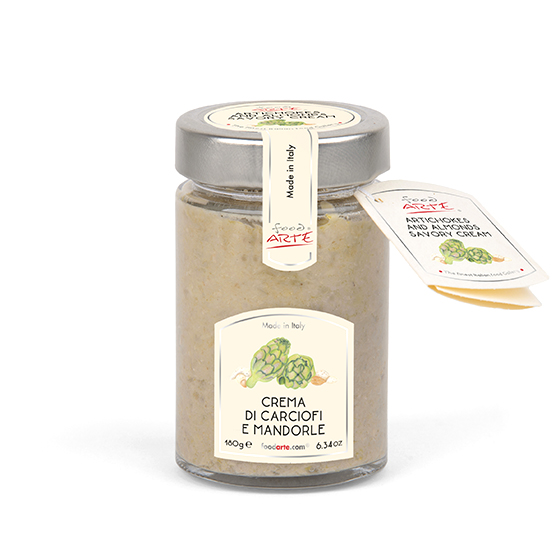
 The main ingredient of this savory cream is tender delicate artichoke. The artichoke (Cynara cardunculus) is a very interesting vegetable because of its decisive taste which, combined with almonds, gives this cream an extraordinary taste. It’s an excellent dressing for meat Tortelli (filled fresh pasta) with fresh cream or as a complement to hors d’oeuvres.
 -
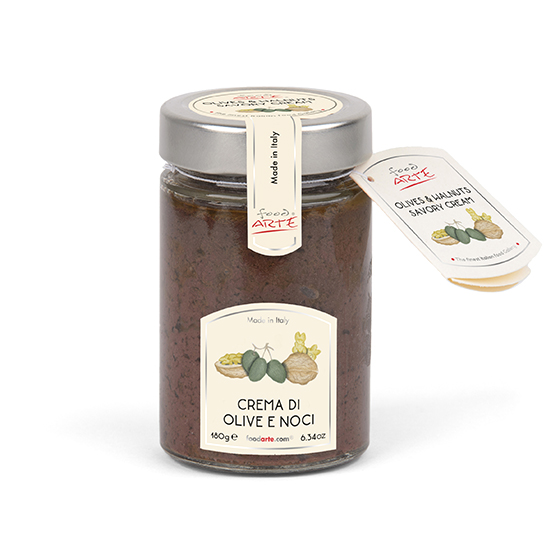
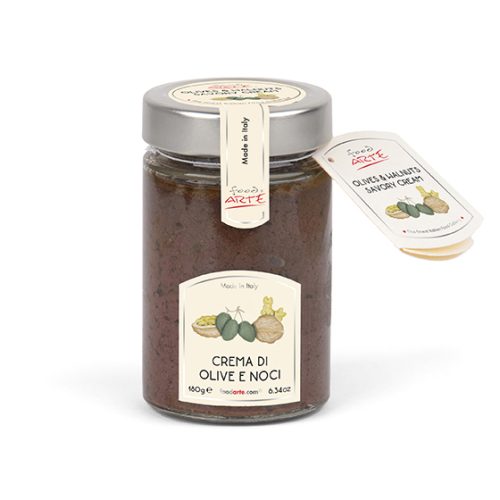 The Olive has ancient origins, dating as far back as 5,000-3,000 B.C. Originally from Asia, it has a meaty consistency, oily pulp and is black or dark purple when fully mature. Only when the olives have matured properly, they are processed along with the walnuts, in order to create this very particular cream. The walnut is the fruit of the Juglans regia, a plant originating from Asia and the slopes of the Himalayas, that was introduced to Europe in very ancient times. It can be an excellent part of hors d’oeuvres. Superb as a spread on toasted bread and as a sauce for pasta.
 -
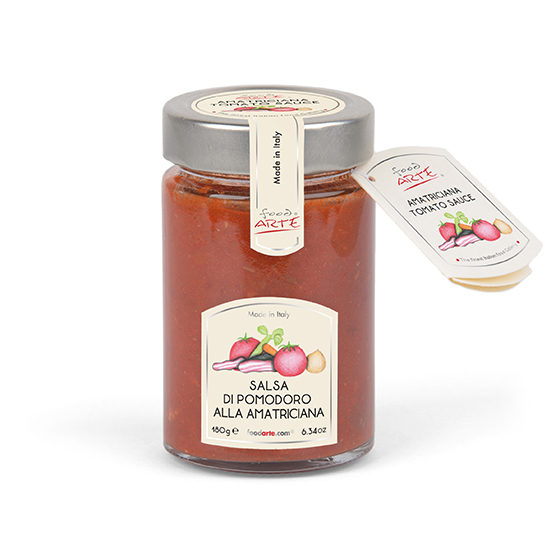
 This sauce, starting out from the Lazio countryside then became one of the most typical Roman dishes. The simplicity of the ingredients and the great taste of the sauce makes every time you eat the Amatriciana sauce a special event. Peeled tomatoes, a typical bacon-like cured meat made with pork’s cheek (Guanciale), carrot, celery, onions, extra virgin oil, salt. This sauce is ideal for a wide range of opportunities; Perfect with short pasta (penne e ziti rigati), and also suggested with rough surfaced long pasta (spaghetti, bucatini).