FOOD ARTE












-
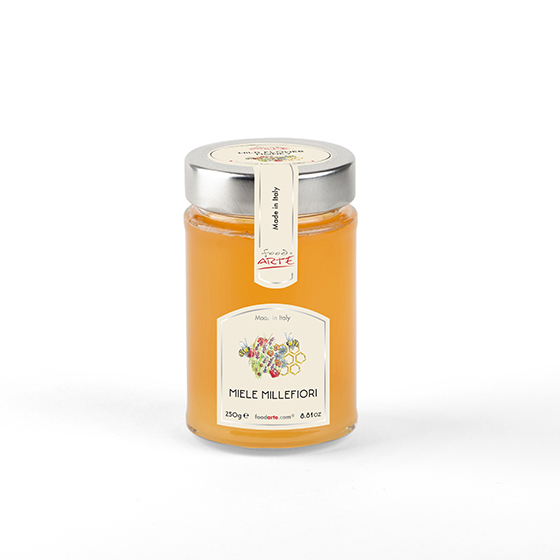
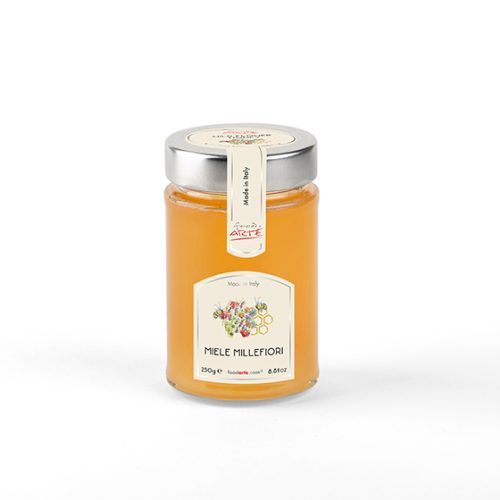 The Italian word for honey is “miele” and it originates from the Latin word melit (sweet). For ages honey was the only concentrated sweet available food. The first traces of human built bee hives go back to VI century B.C. For thousands of years’ honey was the main sweetener used by humanity. Different types of honeys are produced by placing the beehives in close vicinity to special trees such as the Acacia, the Chestnut, the Cherry, the Orange, thus obtaining different shades of color and taste according to the blossom the bees have come in contact with. Then there is the wild flower honey, that bees produce by visiting different plants and trees.
 -
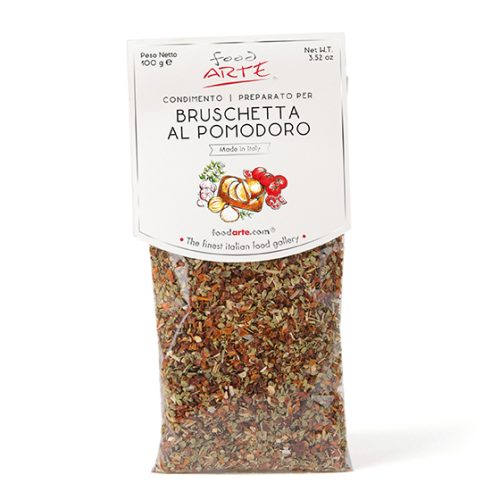
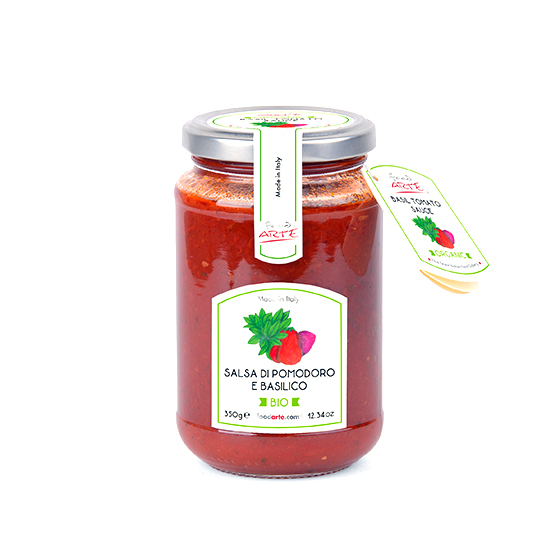
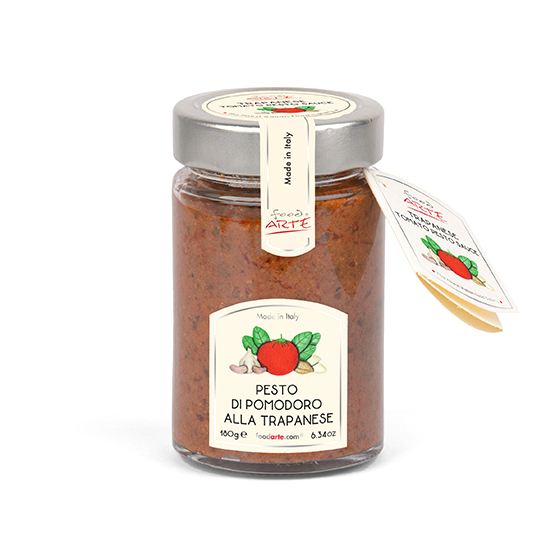
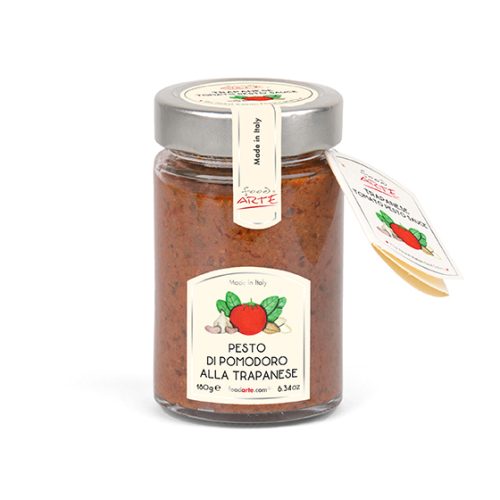 This sauce originates from the Trapani area, and has a taste that encloses all Sicilian flavours. The ingredients are tomatoes, extra virgin olive oil, basil, almonds, chili pepper, garlic, and salt with no preservatives and additives. With only a few minutes of heating it becomes a practical seasoning on spaghetti and penne. It is also great as a spread on bruschetta and toasted bread.
 -
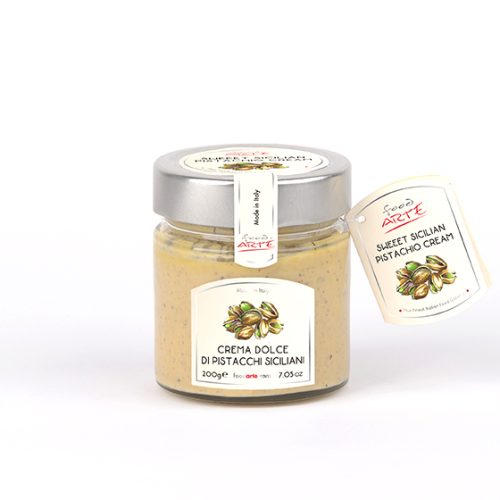
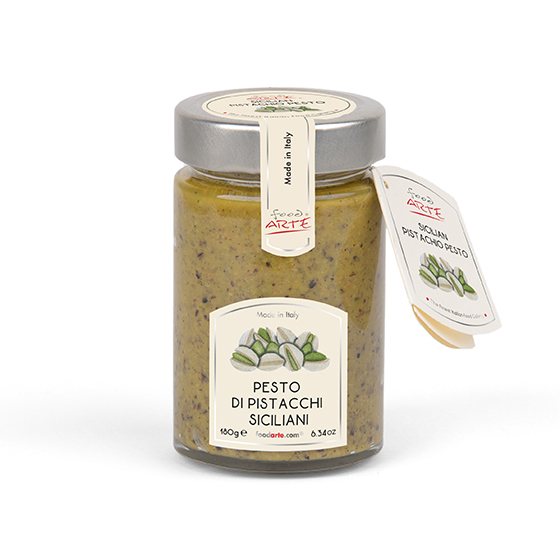
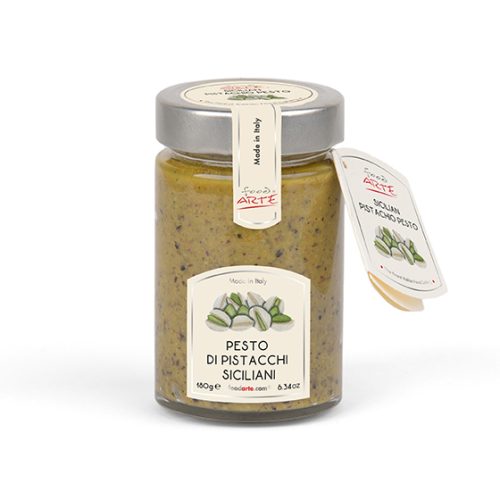 The Pistachio is chosen for its organoleptic qualities as well as its other properties: the uniform, live emerald green color of its flesh; its sweetness; its pronounced fragrance. This delicate cream, with its aromatic flavor, is superb as a spread on toasted bread or as a sauce for pasta. Processed with expertise and using extra virgin olive oil.
 -
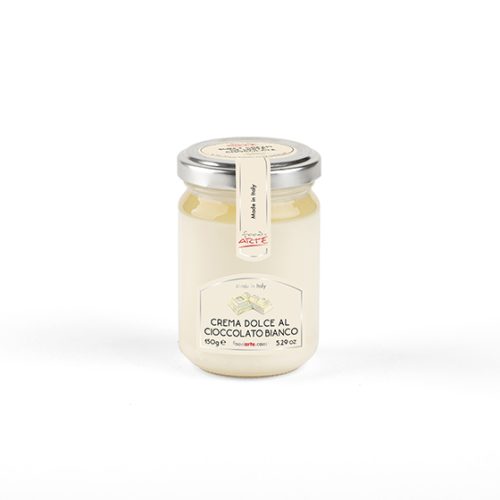 Cocoa butter, the fatty part of the cocoa bean, is the main ingredient that characterizes this gourmet spreadable cream. Dedicated to those who love delving into the folds of the world of chocolate; a precious element in pastry making for garnishing desserts, it represents the perfect ingredient for filling fresh pastry products.
 -
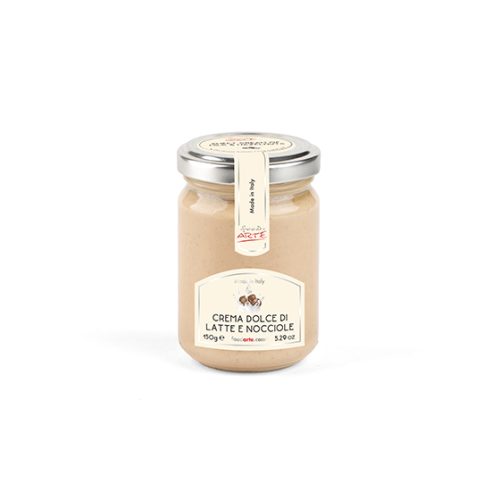 Italian hazelnuts and milk, this is the winning combination to create a sweet spread with a delicate flavour; excellent for filling or garnishing desserts and ice creams, simply “perfect” on its own, on the spoon.
 -
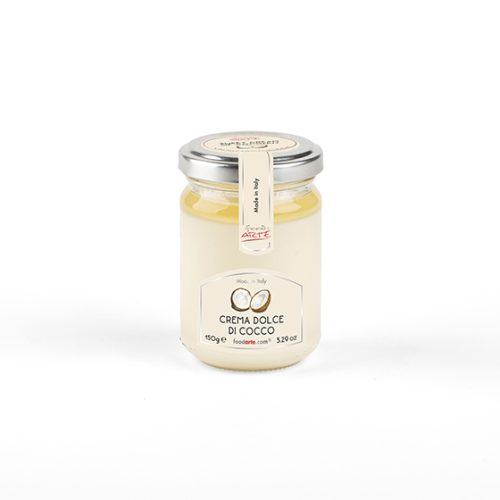 From the tropical heart of this wonderful fruit comes this delicious and irresistible sweet spreadable cream. To be used absolutely in any circumstance, sweet or savory.
 -
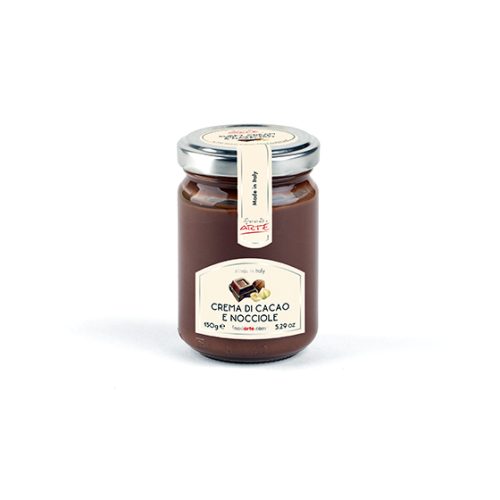 In Ancient Rome it was customary to give hazelnut plants as gifts to wish happiness. In France they were given to spouses as a symbol of fertility. Hazelnuts, in fact, are an extremely valuable fruit and with their flavor they manage to enhance many culinary creations, especially in pastry making. This cream is excellent on toasted bread or as an accompaniment to dark chocolate.
 -
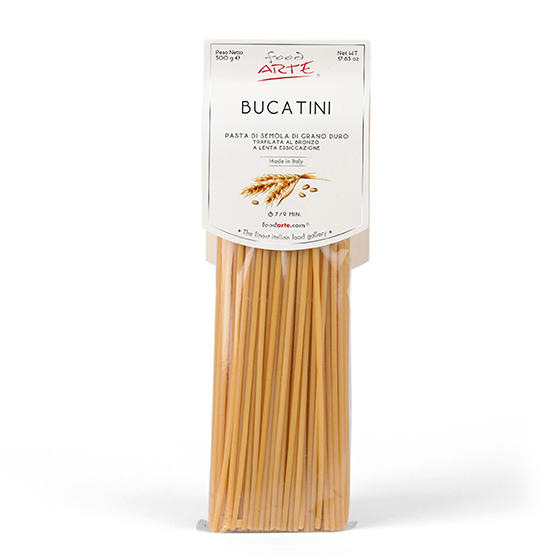
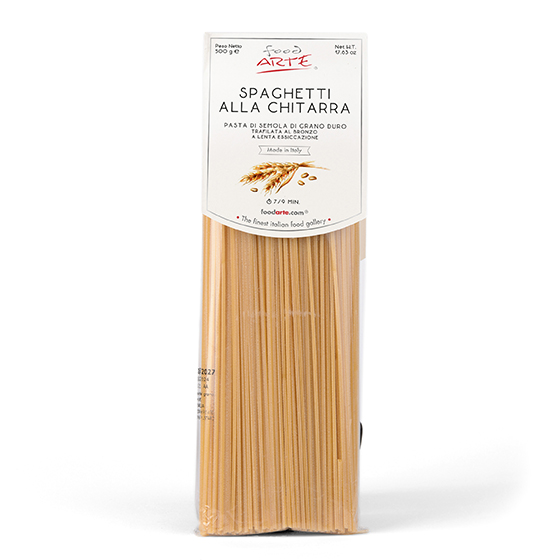
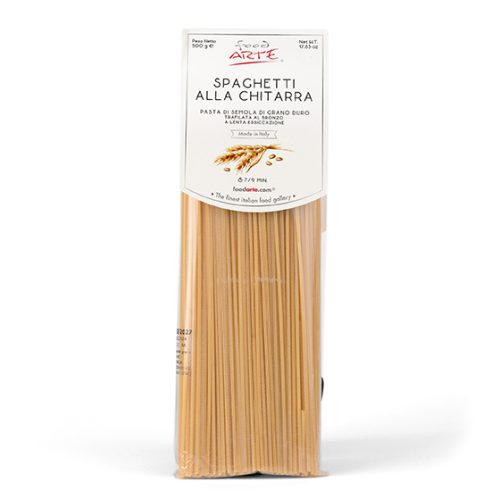 When the Greeks founded Naples in VIII Century BC, they adopted a dish prepared by the natives, a sort of pasta made with barley-flour and water and dried in the sun which they called “macaria” very close to what today is called “maccheroni”. There are references to pasta in Roman times starting in the III century b.C.; following this, in Cicerone’s works dating to the 1st Century b.C. we find him writing about his passion for “laganas” that were sheets of pasta made with wheat flour and water, very similar to what today we call “lasagna”.