-
 Extra Virgin Olive oil (EVO oil in recipes) has been in the Mediterranean and Italian culture for thousands of years and it is the main difference in culinary tradition between the Mediterranean and the North European diet. The olive is a fruit with a very long history, dating back to 5000/3000 years BC: it is a pulpy oily fruit that tends to green or to Purple/black once it has ripened. Only when they are perfectly ripe, olives are then pressed making sure the temperature of the paste doesn’t rise too much, in order to obtain a high quality extra virgin olive oil.
 -
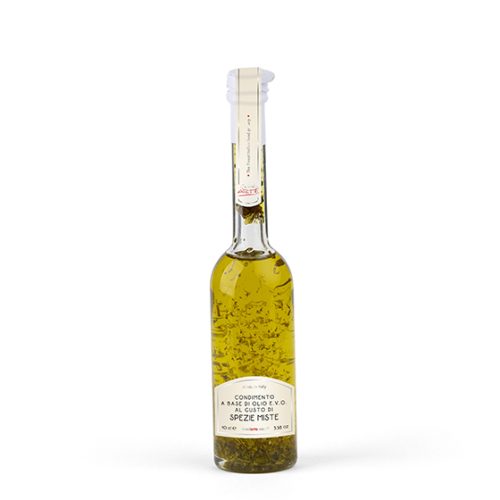 Extra Virgin Olive oil (EVO oil in recipes) has been in the Mediterranean and Italian culture for thousands of years and it is the main difference in culinary tradition between the Mediterranean and the North European diet. The olive is a fruit with a very long history, dating back to 5000/3000 years BC: it is a pulpy oily fruit that tends to green or to Purple/black once it has ripened. Only when they are perfectly ripe, olives are then pressed making sure the temperature of the paste doesn’t rise too much, in order to obtain a high quality extra virgin olive oil.
 -
 Extra Virgin Olive oil (EVO oil in recipes) has been in the Mediterranean and Italian culture for thousands of years and it is the main difference in culinary tradition between the Mediterranean and the North European diet. The olive is a fruit with a very long history, dating back to 5000/3000 years BC: it is a pulpy oily fruit that tends to green or to Purple/black once it has ripened. Only when they are perfectly ripe, olives are then pressed making sure the temperature of the paste doesn’t rise too much, in order to obtain a high quality extra virgin olive oil.
 -
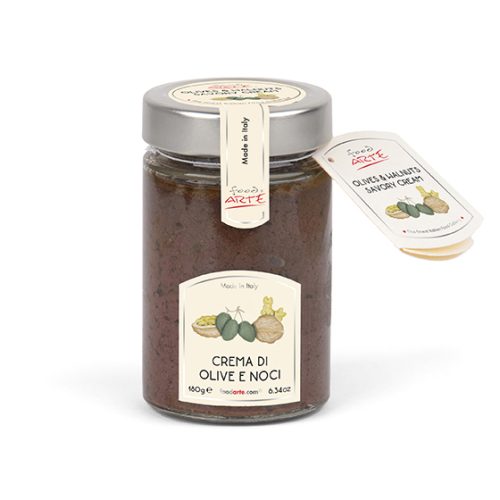 The Olive has ancient origins, dating as far back as 5,000-3,000 B.C. Originally from Asia, it has a meaty consistency, oily pulp and is black or dark purple when fully mature. Only when the olives have matured properly, they are processed along with the walnuts, in order to create this very particular cream. The walnut is the fruit of the Juglans regia, a plant originating from Asia and the slopes of the Himalayas, that was introduced to Europe in very ancient times. It can be an excellent part of hors d’oeuvres. Superb as a spread on toasted bread and as a sauce for pasta.
 -
 The essence of orange you will often find used as an aromatic for various gourmet products, but its maximum expression is reached in this aromatic olive oil. The orange is infused in the best quality of extra virgin olive oil which makes it an indispensable condiment for deliciously creative dishes. Excellent on salad or on toasted bread. Fantastic coupled with fresh fruit.
 -
 Extra Virgin Olive oil (EVO oil in recipes) has been in the Mediterranean and Italian culture for thousands of years and it is the main difference in culinary tradition between the Mediterranean and the North European diet. The olive is a fruit with a very long history, dating back to 5000/3000 years BC: it is a pulpy oily fruit that tends to green or to Purple/black once it has ripened. Only when they are perfectly ripe, olives are then pressed making sure the temperature of the paste doesn’t rise too much, in order to obtain a high quality extra virgin olive oil.
 -
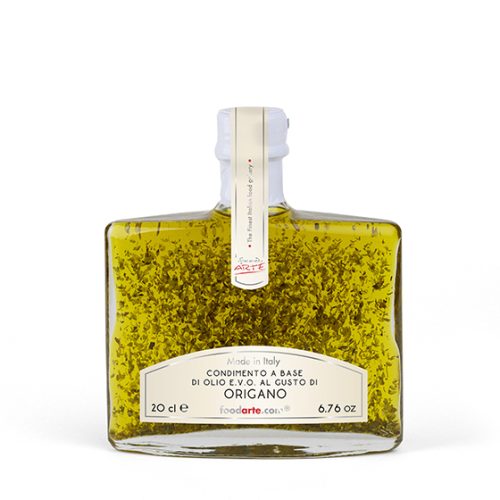 Extra Virgin Olive oil (EVO oil in recipes) has been in the Mediterranean and Italian culture for thousands of years and it is the main difference in culinary tradition between the Mediterranean and the North European diet. The olive is a fruit with a very long history, dating back to 5000/3000 years BC: it is a pulpy oily fruit that tends to green or to Purple/black once it has ripened. Only when they are perfectly ripe, olives are then pressed making sure the temperature of the paste doesn’t rise too much, in order to obtain a high quality extra virgin olive oil.
 -
 Extra Virgin Olive oil (EVO oil in recipes) has been in the Mediterranean and Italian culture for thousands of years and it is the main difference in culinary tradition between the Mediterranean and the North European diet. The olive is a fruit with a very long history, dating back to 5000/3000 years BC: it is a pulpy oily fruit that tends to green or to Purple/black once it has ripened. Only when they are perfectly ripe, olives are then pressed making sure the temperature of the paste doesn’t rise too much, in order to obtain a high quality extra virgin olive oil.
 -
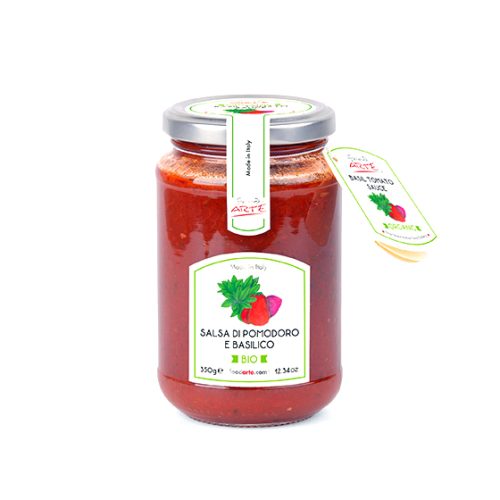 When two simple but precious ingredients like tomato and basil are also Organically grown and meet, the result cannot be less than exceptional. Tomatoes arrived in Europe in the XVI century from Central America, while basil has been used for cooking purposes since ancient times; the combination of these two simple ingredients has found its best interpretation in Italian cuisine, and in particular in the South. This recipe is the synopsis of flavors, colors and of scents of a land and of its history.
 -
 Extra Virgin Olive oil (EVO oil in recipes) has been in the Mediterranean and Italian culture for thousands of years and it is the main difference in culinary tradition between the Mediterranean and the North European diet. The olive is a fruit with a very long history, dating back to 5000/3000 years BC: it is a pulpy oily fruit that tends to green or to Purple/black once it has ripened. Only when they are perfectly ripe, olives are then pressed making sure the temperature of the paste doesn’t rise too much, in order to obtain a high quality extra virgin olive oil.
 -
 Extra Virgin Olive oil (EVO oil in recipes) has been in the Mediterranean and Italian culture for thousands of years and it is the main difference in culinary tradition between the Mediterranean and the North European diet. The olive is a fruit with a very long history, dating back to 5000/3000 years BC: it is a pulpy oily fruit that tends to green or to Purple/black once it has ripened. Only when they are perfectly ripe, olives are then pressed making sure the temperature of the paste doesn’t rise too much, in order to obtain a high quality extra virgin olive oil.
 -
 Puttanesca sauce is a Neapolitan pasta recipe that picks up the most typical flavours of the South of Italy. Tomato sauce, extra virgin olive oil, garlic, black olives, anchovies, capers and oregano create one of the most flavourful sauces in the Italian cooking tradition.
 -
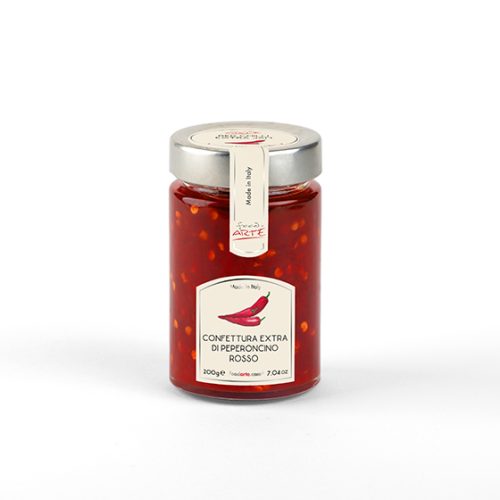 From the Caribbean red chili and the Jamaican hot chili peppers, this surprising confection is born, with a distinctive flavor: sweet-spicy. Hand-picked, the chili peppers are then worked adding exclusively natural products: sugar, honey, apple, and lemon.
 -
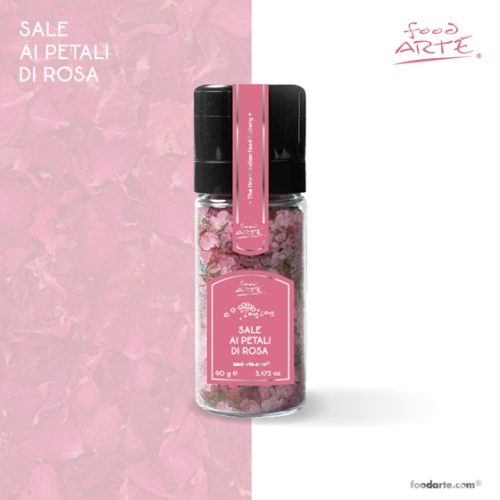 Salt, mixed peppercorns (black, white, green, and pink pepper), juniper, rosemary, garlic.
 -
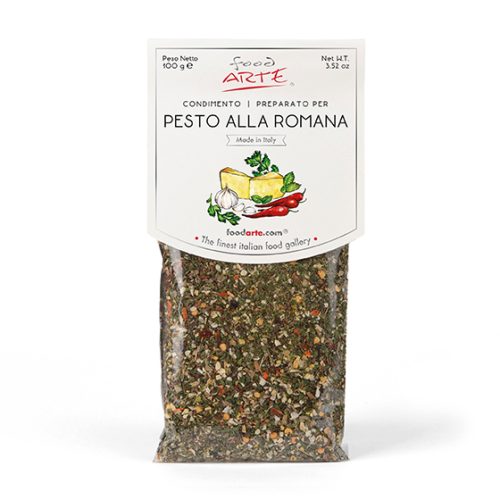
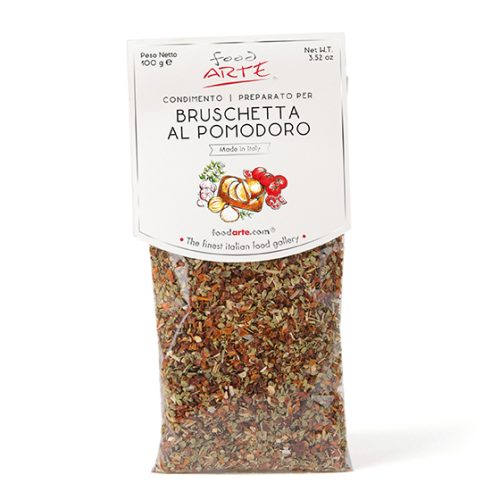
 Put two teaspoons of this blend in a cooking pot and fry it lightly in extra virgin olive oil and cooking cream just for a couple of minutes. Serve it hot adding some nutmeg powder or Parmigiano Cheese.
 -
 Put two teaspoons of this blend in a cooking pan and fry it lightly in olive oil just for a couple of minutes.Drain the pasta and melt them together in the cooking pan for a few minutes. Serve adding cooking cream and Parmigiano Cheese.
 -
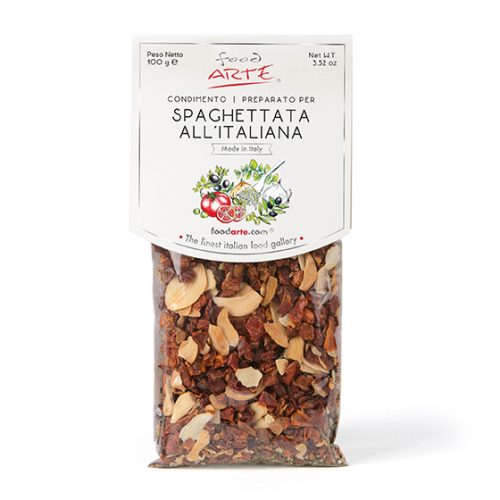 Put two Teaspoons of this blend in a cooking pot and fry it lightly in E.V.O. just for a Couple of minutes. Drain the Pasta and melt them together in the Pan for a few minutes. Serve it hot adding, if you like, some nutmeg powder or Parmigiano Cheese.
 -
 Cook 50 g. of this preparation for about 15 minutes adding two tea spoons of E.V.O. Cook the Pasta, drain it keeping it well humid. Put the preparation adding Butter as you like. melt them together in the Pan for a few minutes. Serve it hot.
 -
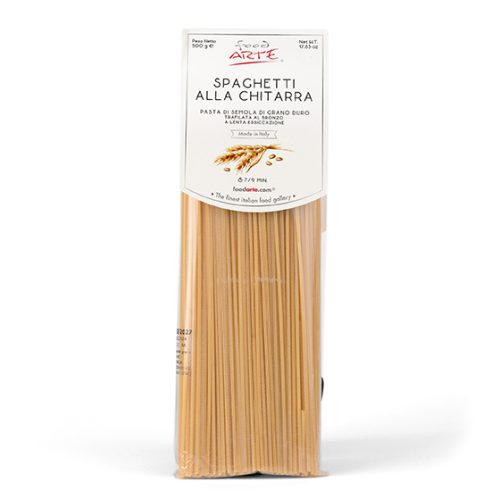 When the Greeks founded Naples in VIII Century BC, they adopted a dish prepared by the natives, a sort of pasta made with barley-flour and water and dried in the sun which they called “macaria” very close to what today is called “maccheroni”. There are references to pasta in Roman times starting in the III century b.C.; following this, in Cicerone’s works dating to the 1st Century b.C. we find him writing about his passion for “laganas” that were sheets of pasta made with wheat flour and water, very similar to what today we call “lasagna”.
 -
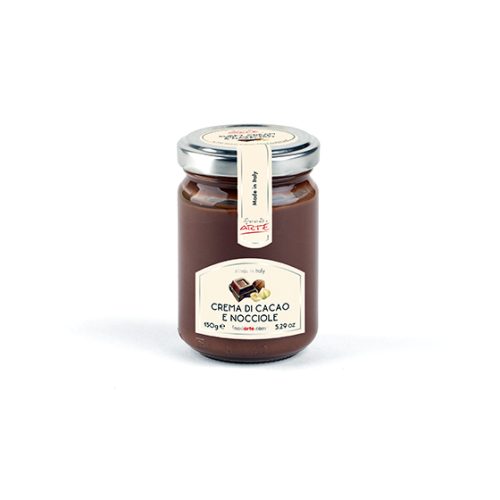 In Ancient Rome it was customary to give hazelnut plants as gifts to wish happiness. In France they were given to spouses as a symbol of fertility. Hazelnuts, in fact, are an extremely valuable fruit and with their flavor they manage to enhance many culinary creations, especially in pastry making. This cream is excellent on toasted bread or as an accompaniment to dark chocolate.
 -
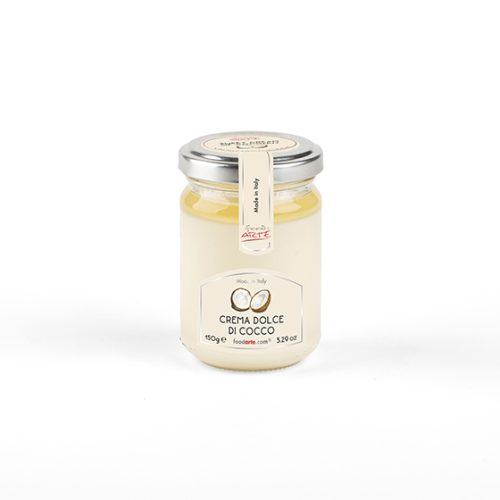 From the tropical heart of this wonderful fruit comes this delicious and irresistible sweet spreadable cream. To be used absolutely in any circumstance, sweet or savory.
 -
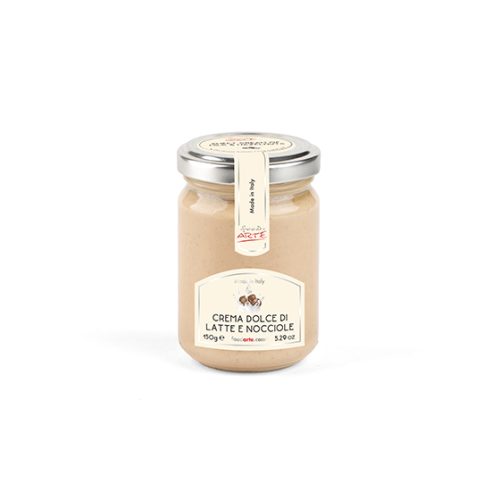 Italian hazelnuts and milk, this is the winning combination to create a sweet spread with a delicate flavour; excellent for filling or garnishing desserts and ice creams, simply “perfect” on its own, on the spoon.






OFFERS IN YOUR INBOX
Newsletter
Register to our newsletter to receive news and offers in your inbox.
Via Tacito, 26
00193 - Rome
Italy



© Copyright 2016 - 2026 | FoodArte.com P.IVA 08163811006 | All Rights Reserved | Web Design by KoKooYa!