-
 Extra Virgin Olive oil (EVO oil in recipes) has been in the Mediterranean and Italian culture for thousands of years and it is the main difference in culinary tradition between the Mediterranean and the North European diet. The olive is a fruit with a very long history, dating back to 5000/3000 years BC: it is a pulpy oily fruit that tends to green or to Purple/black once it has ripened. Only when they are perfectly ripe, olives are then pressed making sure the temperature of the paste doesn’t rise too much, in order to obtain a high quality extra virgin olive oil.
 -
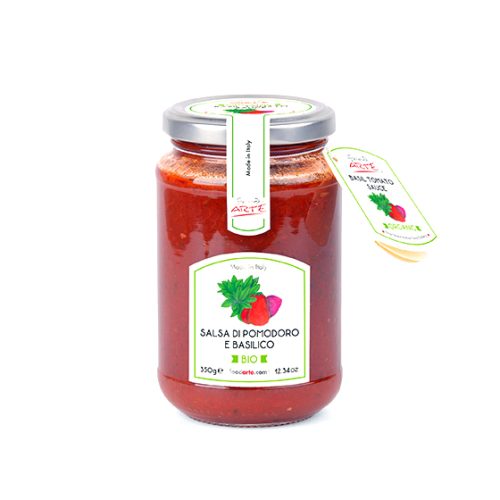 When two simple but precious ingredients like tomato and basil are also Organically grown and meet, the result cannot be less than exceptional. Tomatoes arrived in Europe in the XVI century from Central America, while basil has been used for cooking purposes since ancient times; the combination of these two simple ingredients has found its best interpretation in Italian cuisine, and in particular in the South. This recipe is the synopsis of flavors, colors and of scents of a land and of its history.
 -
 Extra Virgin Olive oil (EVO oil in recipes) has been in the Mediterranean and Italian culture for thousands of years and it is the main difference in culinary tradition between the Mediterranean and the North European diet. The olive is a fruit with a very long history, dating back to 5000/3000 years BC: it is a pulpy oily fruit that tends to green or to Purple/black once it has ripened. Only when they are perfectly ripe, olives are then pressed making sure the temperature of the paste doesn’t rise too much, in order to obtain a high quality extra virgin olive oil.
 -
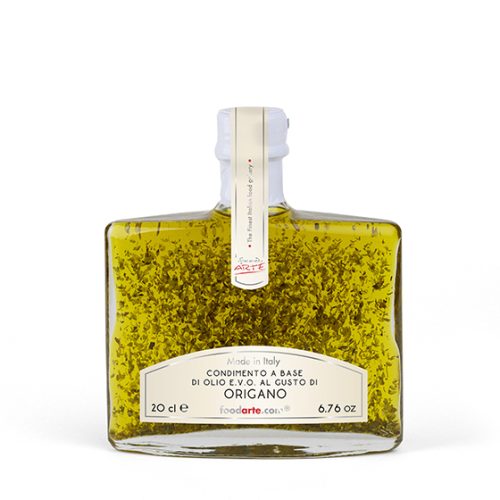 Extra Virgin Olive oil (EVO oil in recipes) has been in the Mediterranean and Italian culture for thousands of years and it is the main difference in culinary tradition between the Mediterranean and the North European diet. The olive is a fruit with a very long history, dating back to 5000/3000 years BC: it is a pulpy oily fruit that tends to green or to Purple/black once it has ripened. Only when they are perfectly ripe, olives are then pressed making sure the temperature of the paste doesn’t rise too much, in order to obtain a high quality extra virgin olive oil.
 -
 Extra Virgin Olive oil (EVO oil in recipes) has been in the Mediterranean and Italian culture for thousands of years and it is the main difference in culinary tradition between the Mediterranean and the North European diet. The olive is a fruit with a very long history, dating back to 5000/3000 years BC: it is a pulpy oily fruit that tends to green or to Purple/black once it has ripened. Only when they are perfectly ripe, olives are then pressed making sure the temperature of the paste doesn’t rise too much, in order to obtain a high quality extra virgin olive oil.
 -
 The essence of orange you will often find used as an aromatic for various gourmet products, but its maximum expression is reached in this aromatic olive oil. The orange is infused in the best quality of extra virgin olive oil which makes it an indispensable condiment for deliciously creative dishes. Excellent on salad or on toasted bread. Fantastic coupled with fresh fruit.
 -
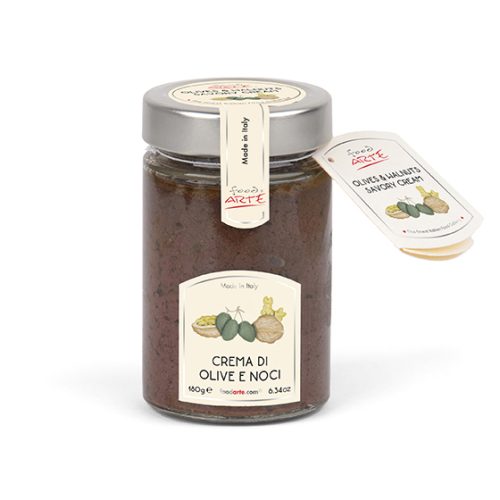 The Olive has ancient origins, dating as far back as 5,000-3,000 B.C. Originally from Asia, it has a meaty consistency, oily pulp and is black or dark purple when fully mature. Only when the olives have matured properly, they are processed along with the walnuts, in order to create this very particular cream. The walnut is the fruit of the Juglans regia, a plant originating from Asia and the slopes of the Himalayas, that was introduced to Europe in very ancient times. It can be an excellent part of hors d’oeuvres. Superb as a spread on toasted bread and as a sauce for pasta.
 -
 Extra Virgin Olive oil (EVO oil in recipes) has been in the Mediterranean and Italian culture for thousands of years and it is the main difference in culinary tradition between the Mediterranean and the North European diet. The olive is a fruit with a very long history, dating back to 5000/3000 years BC: it is a pulpy oily fruit that tends to green or to Purple/black once it has ripened. Only when they are perfectly ripe, olives are then pressed making sure the temperature of the paste doesn’t rise too much, in order to obtain a high quality extra virgin olive oil.



OFFERS IN YOUR INBOX
Newsletter
Register to our newsletter to receive news and offers in your inbox.
Via Tacito, 26
00193 - Rome
Italy



© Copyright 2016 - 2026 | FoodArte.com P.IVA 08163811006 | All Rights Reserved | Web Design by KoKooYa!